
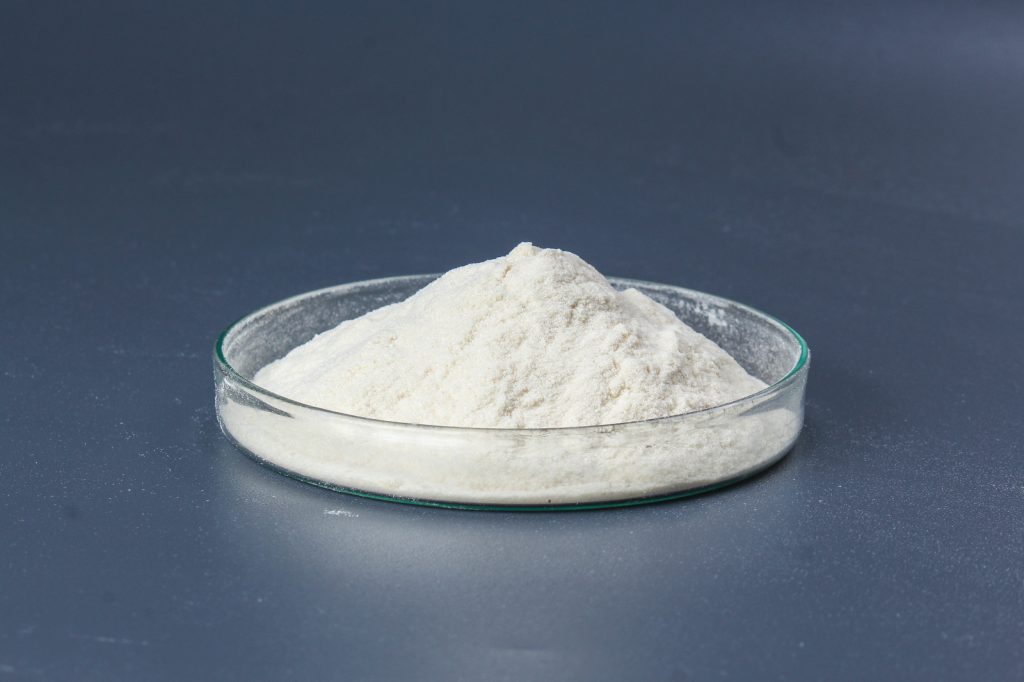
As sustainability and natural solutions gain traction globally, chitosan has emerged as a valuable asset for various industries. In Indonesia, its potential is especially promising in food processing and pharmaceuticals.
1. Food Industry Applications
Chitosan is an excellent natural preservative. Its antimicrobial properties inhibit the growth of bacteria and fungi, extending the shelf life of products like fruits, vegetables, and seafood. In Indonesia’s food sector, this offers an eco-friendly alternative to synthetic preservatives, helping producers meet consumer demand for clean-label products.
Additionally, chitosan-based edible coatings can improve the appearance, texture, and longevity of produce. These coatings also reduce moisture loss, which is crucial in maintaining product quality during transportation and storage.
2. Pharmaceutical Innovations
Chitosan’s biocompatibility makes it a perfect candidate for drug delivery systems. It is used in the formulation of capsules, tablets, and gels, enhancing the controlled release of active ingredients. This can improve drug efficacy and reduce side effects.
In Indonesia, where pharmaceutical innovation is growing, chitosan presents opportunities for creating more effective and natural drug delivery solutions, as well as bioactive wound dressings that promote healing.
Conclusion: Chitosan’s unique properties make it an essential component in Indonesia’s food and pharmaceutical industries, aligning with the global shift toward sustainability and natural solutions.