
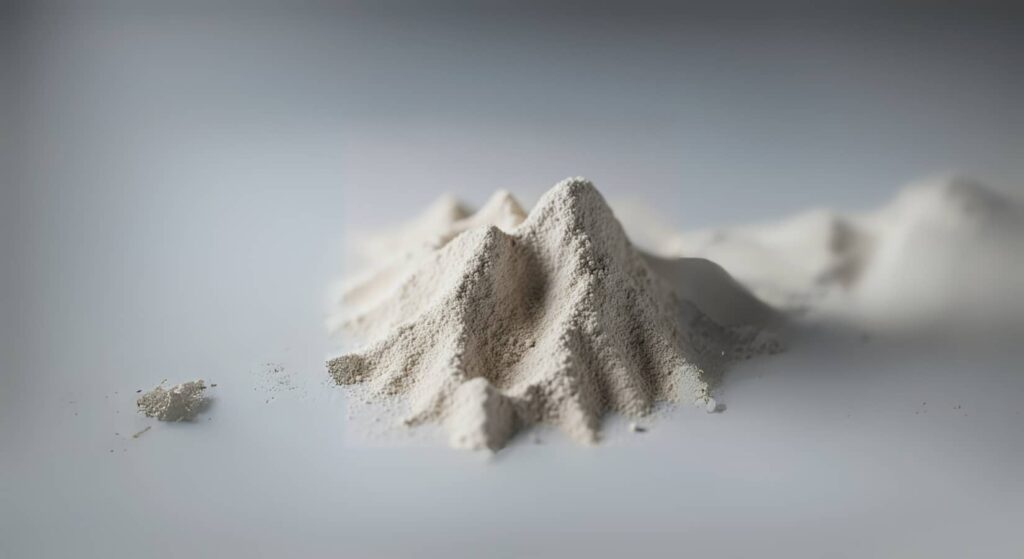

Chitosan is one of the most versatile biopolymers found in nature, and its unique molecular structure directly affects its impressive characteristics, which are applicable to widespread industrial use.
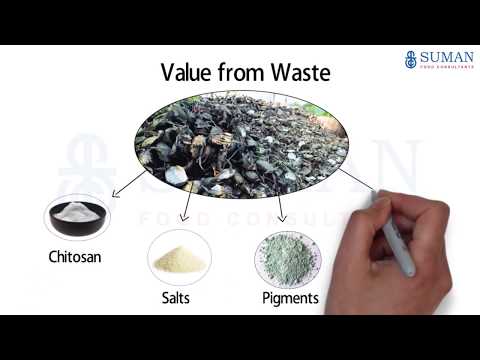
This naturally occurring polysaccharide, which is a deacetylated derivative of chitin found in crustacean shells, has excellent properties that make it useful for water purification, drug delivery systems, and innovative food packaging applications.
Recognizing the immense potential of this remarkable biopolymer, industry leaders have emerged to harness its capabilities.
Founded by Bintarna Tardy in 2004, Fresh On Time Seafood is a respected international processor and supplier of quality seafood and chitosan products produced from crab shells.
Our sustainable and disruptive solution is applied across multiple industries, from food to healthcare, cosmetics, agriculture, and water treatment. We are dedicated to providing quality, value, and reliability and keeping the needs of our customers first.
This commitment to excellence is underpinned by our deep understanding of chitosan’s fundamental properties.
Knowledge of chitosan’s complex molecular structure, in particular, its distribution of molecular weight, solubility, which is dependent on pH, and degree of deacetylation, is essential when maximizing the performance of this biopolymer in these important applications.
The Molecular Foundation of Chitosan
The molecular configuration of chitosan is a remarkable example of nature’s engineering expertise. At the structural level, chitosan is largely composed of a β (1 → 4) linked D-glucosamine and N-acetyl-D-glucosamine chain, enabling extreme flexibility and reactivity.
It shares chemical similarity with cellulose at C1, C3 and C5, with the exception of amino groups at the C2 position, which changes the chemical characteristics and functions of the molecule.
The chain structure of chitosan greatly determines its interaction with different materials and environments.
Free amino groups along the polymer backbone introduce cationic character under an acidic pH environment, which permits chitosan to form ionic complexes with negatively charged molecules.
This singular feature differentiates chitosan from the vast majority of natural polymers and is responsible for several of its industrial uses.
Recent advances in analytical methods have shown that chitosan possesses a highly heterogeneous molecular structure, which highly depends on the raw material source and processing conditions.
Understanding these structural complexities requires expertise that only an experienced chitosan manufacturer can provide, ensuring consistent quality across different production batches.
Various crustaceans produce chitosans with distinct molecular weight distributions, branching patterns, and structural regularity. These differences, apparently slight, can have a profound effect on the performance of the polymer in a particular application.
Why Degree of Deacetylation (DDA) Dictates Chitosan Performance
Key Characteristics of DDA
- Range: Generally between 70 and 95% in commercial chitosans
- Effect: Every percentage point makes a significant difference in the polymer’s behavior
High DDA (>85%):
- Increased cationic charge density
- Enhanced solubility in acidic solutions
- Superior antimicrobial activity
- Higher service life in water treatment applications
Moderate DDA (75 to 85%):
- Better for controlled release.
- Gradual dissolution properties
- Sustained release characteristics
Analytical Methods for DDA Determination
NMR spectroscopy is most sensitive for research experimental methods
- Infrared spectroscopy: Rapid screening method
- Potentiometric titration: Suitable for industrial quality control applications.
- Preparation: Optimization with respect to DDA contents while preserving the molecular weight.
Working with a reliable chitosan supplier becomes crucial at this stage, as precise DDA control requires sophisticated analytical capabilities and process expertise that Fresh On Time Seafood has developed over decades of operation.
Molecular Weight Ranges: How to Choose the Right Chitosan Grade
Molecular Weight Classifications
High MW (>700,000 Da):
- Excellent film forming properties
- Superior mechanical strength
- Ideal for food packaging applications
- Enhanced antimicrobial activity due to multiple contact points
Medium MW (150,000-700,000 Da):
- Balanced properties for various applications
- Optimal solubility characteristics
- Adequate viscosity for processing
- Suitable for pharmaceutical applications
Low MW (<150,000 Da):
- Enhanced solubility and reduced viscosity
- Rapid dissolution properties
- Easy processing characteristics
- Valuable for water treatment applications
Distribution Characteristics
- PDI: 2 to 4 in commercial formulations
- Advantage: Spectrum of chain lengths for various target molecules
- Impact: It strongly influences the viscosity, the solubility, and the mechanical properties
The selection of appropriate molecular weight grades requires close collaboration between end users and their chitosan manufacturer to ensure optimal performance in specific applications.
Functional Characteristics in Water Treatment
Flocculation and Coagulation Mechanisms
The high efficiency of chitosan in water treatment operations is due to the fact that it is the first cationic biopolymer with both a large molecular weight and the ability to bridge between molecules.
Chitosan, a natural type of coagulant/flocculant, works by different mechanisms, which outperform various non biodegradable commercial synthetic coagulants in efficiency and environmental compatibility.
The main mechanism is charge neutralization, where negatively charged particles in contaminated water interact with positively charged chitosan molecules, neutralizing the charges on microparticles, colloids, and dissolved organic solids.
This electrostatic adhesion disrupts the suspension and causes particles to aggregate and agglomerate to generate larger clumps, which are more easily removed in clarification or through filtration.
What does chitosan do in the body?
Chitosan works by binding to fats and bile acids in the digestive tract, helping reduce fat absorption. This may support weight management and lower cholesterol levels. However, it can also reduce the absorption of some vitamins and minerals. In some cases, it may slightly increase calcium excretion through urine.
Another most important mechanism is bridging flocculation, and this is especially dominant for high molecular weight chitosan. Thus, long polymer chains act as “bridges” that connect different particles with one another to form bigger aggregates.
The bridging effect is particularly useful for removing small particles and colloids that would otherwise not settle out of the solution.
The sweep flocculation mode comes into play for higher chitosan dosages, at which surplus polymer will be precipitated and serve as the means to physically trap the contaminants under centrifugation.
Although this offers a very high removal efficiency for a wide array of contaminants, the system must be correctly tuned for best results, as polymer consumption can become excessive.
The efficiency of chitosan in water treatment is greatly affected by chemistry parameters of water, such as pH, turbidity, alkalinity, organics, etc.
The optimum performance is normally in slightly acidic to neutral pH conditions (pH 6.0 to 7.5), where chitosan remains sufficiently soluble but not so highly positively charged that it could have contributed to the restabilization of the particles.
Antimicrobial Water Treatment
The natural antimicrobial property of chitosan adds an extra dimension to water purification by chitosan. The polymer exhibits a wide range of antibacterial, antifungal, and some antiviral activity and may be useful for water disinfection and biofilm suppression in treatment systems.
This is based on the interaction between positively charged chitosan with negatively charged cell surfaces of microorganisms.
The result of this interaction is a disruption of cell membrane integrity, which ultimately results in cell death or growth arrest. The antimicrobial action is affected by parameters such as the molecular weight of chitosan, DDA, ,and microorganisms.
High MW chitosan has been found to be generally more effective in terms of its antimicrobial activity because of its greater membrane disruption on microbial cells. Moreover, chitosan with a higher DDA value exhibits better antimicrobial activity owing to more cationic charge density.
Due to its antimicrobial capacity and physical properties for removing impurities, chitosan is particularly valuable for disinfecting water with substantial biological content.
In contrast to chemical disinfectants that can result in undesired byproducts, chitosan offers an antimicrobial effect without producing undesirable residues and is an excellent alternative for potable water treatment.
Industries seeking sustainable water treatment solutions increasingly turn to established chitosan suppliers like Fresh On Time Seafood, who can provide consistent antimicrobial-grade chitosan specifically formulated for water purification applications.
Applications in Drug Delivery Systems
Controlled Release Mechanisms
Characteristics of chitosan that make it particularly useful in pharmaceutical drug delivery systems involving controlled release, biocompatibility, and biodegradability.
The pH sensitive solubility of the polymer provides an opportunity to obtain advanced drug delivery systems, which react to the physiological conditions in the various compartments of the gastrointestinal tract.
Gastro resistant dosage forms are one of the most successful applications of chitosan based drug delivery systems.
These systems preserve until their transit throughout the stomach a chitosan based coating, which can hold the integrity, being a polymer, but starts to disintegrate and release the drug, as they get to the pH values around 6.5 within the small intestine.
This approach would be of significant benefit to drugs that are labile in acidic environments or that need to be directed to certain regions of the gastrointestinal tract.
The drug release kinetics can be easily manipulated for chitosan based systems through different formulation parameters.
By varying polymer molecular weight, DDA, and cross linking density, release rates from immediate release to 12 to 24 hours or greater extended release are demonstrated.
The mucoadhesive property of chitosan has additional benefits for drug delivery purposes. On account of the cationic nature of the polymer, strong interactions occur with negatively charged mucin proteins present in mucous tissue, leading to a prolonged stay at the site of drug release.
This feature, which is more generally called mucoadhesion, leads to improvement of drug absorption and to possible reduction of the dosing frequency.
Biocompatibility and Biodegradation
The remarkable biocompatibility of chitosan ensures its prospect for pharmaceutical purposes. Chitosan does not currently have blanket FDA GRAS status, though it may qualify for GRAS designation under specific conditions of use with low in vitro and in vivo toxicity.
Indeed, this safety profile, together with its natural source, represents substantial improvement in comparison to synthetic polymers for drug delivery systems.
Chitosan biodegradation is due to lysis of lysozyme and some other enzymes in the biological medium.
The resulting degradation involves enzyme-catalyzed cleavage, yielding oligosaccharides and other products that can be absorbed by cells and ultimately converted to glucose metabolites that are easily utilized by normal cellular pathways.
The biodegradation rate can be tuned by playing with the polymer’s structure, thus allowing the development of predictable degradation kinetic systems.
The immunomodulatory action of chitosan has additional therapeutic value in some applications. The polymer can either potentiate immunity, if employed as a vaccine adjuvant, or possess anti-inflammatory activity in other applications.
The biological activities of drugs must be taken into account as well during formulation development, to not oppose but enhance the desired therapeutic effect.
Is chitosan anti-inflammatory?
Yes, chitosan has natural anti-inflammatory properties. It helps reduce inflammation by modulating immune responses and blocking inflammatory molecules. This makes it useful in biomedical applications, including wound healing and tissue repair.
Pharmaceutical companies developing chitosan-based formulations benefit from partnering with specialized chitosan manufacturers who maintain strict quality controls and can provide detailed certificates of analysis for each batch.
Food Packaging Applications
Barrier Properties and Food Preservation
Its good film forming ability and antimicrobial nature make chitosan a promising candidate for the development of food packaging material.
The polymer may be shaped into flexible, translucent films, which are effective at excluding moisture, oxygen, and other spoilage and quality impairing gases from food.
The barrier properties of chitosan films are largely influenced by the molecular weight, DDA, and processing conditions of the polymer.
Materials with a higher molecular weight chitosan tend to exhibit better mechanical properties and barrier properties while a higher degree of deacetylation (DDA) provides stronger antibacterial performance of the film.
Addition of plasticizers such as glycerol or sorbitol may enhance the flexibility of the film and the handling properties.
Chitosan films also exhibit a particularly high capacity for the oxygen barrier that is important to protect foods containing fats and oils from oxidative damage.
The formation of hydrogen bonds between chains gives rise to a compact network structure that effectively blocks the penetration of gases.
This barrier performance is frequently superior to traditional synthetic packaging materials and provides the added advantage of biodegradability.
Water vapor permeability of chitosan films can be tailored to individual food products by changes in formulation. When a product is desired with low moisture permeability, cross linking agents may be added to reduce the hydrophilic nature of the films.
On the other hand, for some applications where regulated moisture exchange is necessary, natural hydrophilic native chitosan films can be used.
Active Packaging Systems
The fabrication of active packaging based on chitosan is innovative, for it goes beyond protection by a barrier. These systems can actively contribute to the safety, quality, and shelf life of the food by various means of interaction with food or environment.
Chitosan packaging protects materials from bacteria and fungi growth for the lifetime of the product. The slow release of antimicrobial agents from the packaging material results in a bacteriostatic rather than a bactericidal environment on the food surface.
This method is especially useful for fresh fruit, meat, and dairy products, which are subject to microbial spoilage.
Chitosan films loaded with natural antioxidants in an antioxidant packaging system can be developed. These systems offer combined protective effects due to the oxygen barrier of chitosan and the free radical scavenging capability of antioxidants included in the film.
Typical antioxidants for these applications include ascorbic acid, tocopherols, and plant extracts.
Smart packaging systems use the pH sensitive behavior of chitosan as indicator systems for food spoilage. Food degradation usually gives rise to acids or bases, which change the local pH in the environment.
Indicators based on chitosan can be tuned to alter color or other characteristics in these pH windows, perceiving the quality status of the food in a visual manner.
Structure Function Relationships
Molecular Architecture Impact on Performance
The correlation between chitosan structure and performance is a dynamic balance of several factors, which should be finely tuned for the best application in different fields.
This knowledge will bring important contributions for the rational design of chitosan products with specific properties for distinct end uses.
Degree of polymerization and polymerization distribution greatly affect the physical properties and performance of chitosan.
Polymer chains of longer length can improve mechanical strength and barrier properties, while possibly limiting processing latitude and increasing solution viscosity.
The balance of these limiting factors need to be taken into account for the optimum molecular weight for given applications. Both physical and chemical properties are influenced by the distribution of deacetylated units along the polymer chain.
For example, there are studies wherein acetyl content distributions are more or less statistical for acetyl groups, and other studies in which block form distribution of acetyl groups is useful for certain interactions with target molecules or surfaces.
Crystallinity and intermolecular interaction are important factors for the mechanical properties and dissolution behavior of chitosan. Increased crystallinity usually results in less solubility and flexibility but increased mechanical strength.
The crystalline pattern depends considerably on the treatment method used during chitosan production and purification.
Chitosan is a naturally derived biopolymer with exceptional structural and functional characteristics that make it valuable across industries such as water treatment, pharmaceuticals, and food packaging.
Its performance is largely influenced by key molecular attributes, including degree of deacetylation, molecular weight, and solubility, which determine its reactivity, mechanical strength, and bioactivity.
Chitosan’s ability to form ionic interactions, provide antimicrobial action, and degrade safely within biological systems positions it as a sustainable and efficient alternative to conventional synthetic materials.
As a trusted chitosan manufacturer, Fresh On Time Seafood delivers high quality, traceable chitosan products tailored to meet industry specific requirements.
By understanding and optimizing its molecular structure, companies like Fresh On Time Seafood help clients unlock the full potential of chitosan for innovative and environmentally conscious solutions.
FAQ
What are the structure and functional characteristics of chitosan?
Chitosan is a natural polymer derived from chitin, featuring a chain of glucosamine units with free amino groups that give it cationic properties in acidic environments. These structural features enable chitosan to be soluble, antimicrobial, biodegradable, and useful in applications like drug delivery, food packaging, and water treatment.
Why is molecular weight important in chitosan applications?
Molecular weight influences viscosity, solubility, and film strength. For example:
- High MW enhances film-forming and mechanical strength.
- Low MW improves solubility and is ideal for water treatment.
How does chitosan act in water treatment?
Chitosan neutralizes negatively charged particles and bridges them into larger flocs for easier filtration. It also exhibits natural antimicrobial properties, making it excellent for eco-friendly water purification.
How does chitosan improve food packaging?
Chitosan forms strong, flexible films that block oxygen and moisture. It also provides natural antimicrobial protection, extending shelf life for fresh produce, meats, and dairy.