
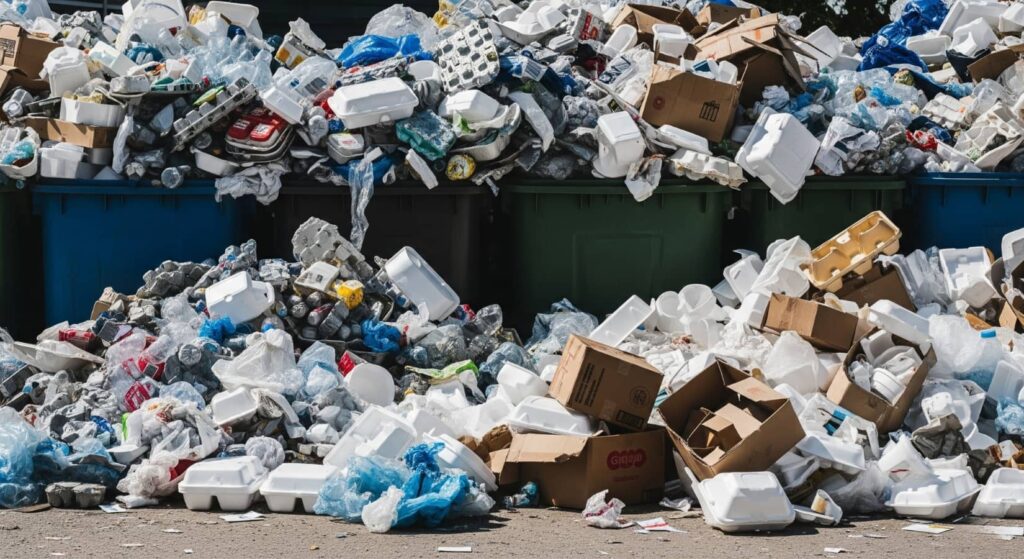
The world’s packaging industry reaches an important crossroads. As more than 300 million tons of plastic waste is generated every year and environmental laws start to tighten their grip, companies everywhere are eagerly looking for sustainable alternatives to conventional petroleum-based packaging materials.
Here comes chitosan, a magical biopolymer that’s discreetly shaping the packaging industry. This remarkable stuff, extracted from crustacean shells, presents a compelling answer to one of modern commerce’s most pressing problems: How can we make packaging that protects products without destroying the planet?
As a leading chitosan manufacturer, Fresh On Time Seafood has witnessed firsthand the growing demand for sustainable packaging solutions. Fresh On Time Seafood, established by Bintarna Tardy in 2004, is a trusted global manufacturer and supplier of premium seafood and chitosan products made from crab shells.
Our sustainable and innovative approach serves a wide range of industries, including food, healthcare, cosmetics, agriculture, and water treatment. We are committed to delivering consistent quality, exceptional service, and reliable solutions to clients worldwide.
The packaging tsunami is not only answering questions of environmental responsibility, it is also driven by consumer demand, ever stricter regulations and a means of future-proofing business operations. The companies that adopt sustainable packaging now, today, are going to be the industry leaders tomorrow.
The World’s Packaging Problem, and Why It’s Not Going Away
The Magnitude of Packaging Waste
The statistics of pollution of world packaging waste are daunting. Around the world, one million plastic bottles are bought every minute and only 9% of all the waste plastic ever produced has been recycled. The other 91% is disposed of in landfills, tossed into the ocean, or burned and it is fuelling a growing environmental catastrophe.
Conventional packaging materials, single-use plastics especially, have led to what scientists call a “plastic pollution emergency.” Today, microplastics have infiltrated our food chain and our water supplies, and even, through the air we breathe. According to the Ellen MacArthur Foundation, by 2050, there will be more plastic than fish in the ocean unless we make a major course correction.
Economic Impact of Packaging Waste
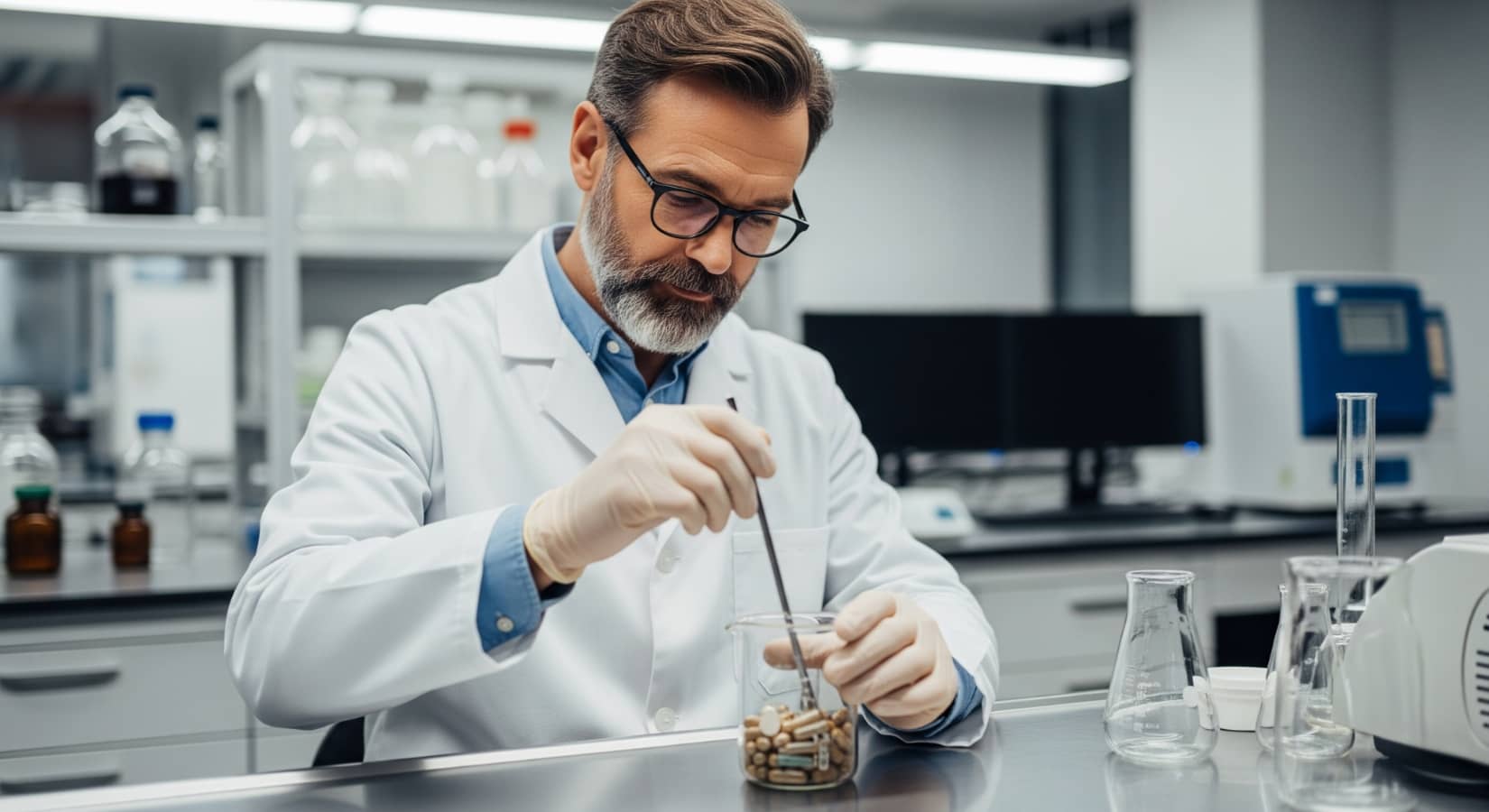
Aside from the environmental issues, the cost of packaging waste is considerable. On a worldwide scale, plastic pollution carries substantial economic costs when factoring in environmental damage, health impacts, and cleanup efforts, with estimates reaching hundreds of billions of dollars annually. For companies, it’s more overhead, legal exposure, and piling consumer outrage.
Regulatory Pressure Mounting Worldwide
This requires food packaging that fulfills the demands of ever stricter protection legislation worldwide. EU Single-Use Plastics Directive, California’s SB 54, and equivalent efforts underway in Asia-Pacific territories are setting regulations that conventional packaging can’t fulfill.
These are not mere guidelines, they are mandates that carry very real financial penalties. Firms in violation are subject to significant fines, blocked market access, and business reputation and operational risks. The signal is clear: Packaging that’s not eco-friendly is now off the table.
Consumer Demand Driving Market Transformation
The Conscious Consumer Movement
Recent consumer research indicates that a significant majority of consumers worldwide are willing to spend extra for sustainable goods, with millennials and Gen Z leading this trend.
“Sustainable packaging” has shifted from a niche interest to a mainstream demand. Customers are interested in environmentally friendly products, and product packaging is a major factor in the consumer decision-making process. Social media exacerbates this, with green packaging frequently transcending a need to adhere to regs and into a sales advantage.
Brand Differentiation Through Sustainability
Businesses that adopt sustainable packaging alternatives enjoy several key competitive benefits. Companies like Unilever, Nestlé and Coca-Cola have pledged to eliminate single-use plastics, not only because they’re polluters but also because sustainability is what consumers want, and it’s what helps build brand loyalty.
This new order presents an opportunity for chitosan producers to collaborate with brands that are looking for more genuinely sustainable ingredients. Unlike green washing campaigns that can provide only a surface benefit to the environment, chitosan-based packaging is here to provide a real benefit to the environment and one which provides that added value of its protective qualities.
Chitosan’s Triple Threat: Biodegrades in Months, Extends Shelf Life, Meets Regulations
What Makes Chitosan Revolutionary
Chitosan is a revolutionary type of packing material. Unlike synthetic polymers, created using fossil fuels, chitosan is made from chitin, which is the second most abundant natural polymer on our planet and is primarily extracted from the shells of crustaceans that would otherwise simply be thrown away.
Traditional packaging materials can’t match this biopolymer, which confers three key benefits:
Degradation: Chitosan can be degraded in natural exposure conditions within 6 to 12 months and the degraded product is non-toxic harmless matter. Consider that it typically takes conventional plastics hundreds of years to break down by comparison.
Biocompatible: the material is delivered as food contact compliant and the most demanding international safety requirements of global markets.
Functional Flexibility: Chitosan can be designed to offer certain barrier, antimicrobial, and mechanical strengths in response to a variety of packaging needs.
What is chitosan-based packaging material?
Chitosan-based packaging is a biodegradable material made from crustacean shells, offering an eco-friendly alternative to plastic. It is non-toxic, antimicrobial, and safe for direct food contact. This packaging helps preserve food by blocking moisture and oxygen, extending shelf life. It’s commonly used for fresh produce, dairy, and even edible coatings.
The Science of Why Chitosan Works as a Packaging Material
The molecular structure of chitosan imparts various properties to it, which make it attractive for use in packaging. It is composed of β-(1-4) linked D-glucosamine and N-acetyl-D-glucosamine monomers and the net cationic charge facilitates interaction with negatively charged molecules.
This chemical structure imparts multiple important packaging attributes:
Barrier properties: Chitosan films exhibit good oxygen and moisture barrier properties, which are required for food preservation and product protection.
Antimicrobial Action: The positively charged chitosan binds to the negatively charged cell walls of bacteria and acts as a natural antimicrobial protecting your product longer.
Film-Forming Ability: Chitosan can easily form clear, elastic films that are processable with conventional packing machines with slight adjustment respectively.
Chemical Modification Chitosan to Amino group is reactive, making chemical additions that enable to increase specific properties for particular applications.
Material Benefits of Chitosan
Superior Environmental Performance
The environmental benefits of chitosan over conventional packaging are clear. Carbon dioxide emissions from chitosan production are much lower than that for petrochemical derived plastics, and the raw materials are obtained from waste streams that would otherwise be discarded.
The pattern of biodegradation of chitosan is especially remarkable. Unlike traditional plastics that break down into noxious microplastics that can stay in the environment, chitosan decomposes into low-order organic compounds that are actually beneficial to soil health when composted correctly.
Enhanced Food Safety and Preservation
Chitosan exhibits antimicrobial activity which can render its foods better preserved than with similar content of competing synthetic packaging materials. Studies have shown that using chitosan-based packaging can extend the shelf life of fresh fruits and vegetables by 30-50% over conventional packaging, resulting in less food waste at every juncture of the supply chain.
This preserving effect is also of particular interest in organic and natural foods and drinks, which do not make use of synthetic preservative agents. Chitosan provides a way to package these items that ensures that they remain fresh and healthy without losing its natural aspect.
Mechanical Properties and Processing Compatibility
A common fallacy of biodegradable packaging is that it is less efficient, trading quality for environmental-friendliness. Chitosan defies this notion as it imparts adequate mechanical properties as observed for conventional packaging materials.
Chitosan films demonstrate:
- Tensile strength is enough for most packing applications
- Tear- and crack-resistance flexibility
- Sealability under heat for usual packing processes
- Printability for branding and labelling needs
These qualities mean that chitosan packaging can easily be incorporated into current packing lines with little alteration to equipment, giving few obstacles for manufacturers to accept it.
Commercial Uses: Where Chitosan Packaging Really Shines
Food and Beverage Industry
The food and drink industry is the most potential market for chitosan packaging. Conventional applications include fresh produce packaging and beverage bottles where chitosan’s qualities are used to solve particular industry problems.
Packaging for Fresh Produce: Chitosan is a great antioxidant and antimicrobial activity to prolong the post-harvest life of fruits and vegetables. Large retailers are testing chitosan based packages for natural products and results seem to be very encouraging on waste reduction and quality preservation.
Dairy and Meat: As an antimicrobial and antioxidant substance, chitosan contributes more to the safety aspect of perishable proteinaceous foods. Chitosan films applied to packaging may inhibit bacterial growth and prolong product quality without sacrificing freshness, satisfying both safety and quality aspects.
Applications in Beverage: Chitosan bottles and containers boast great barrier properties for everything from water to juices. It is highly transparent and easy to process, which makes it perfect for both functional and decorative packaging.
What is chitosan-based packaging material?
Chitosan-based packaging is a biodegradable material made from crustacean shells, offering an eco-friendly alternative to plastic. It is non-toxic, antimicrobial, and safe for direct food contact. This packaging helps preserve food by blocking moisture and oxygen, extending shelf life. It’s commonly used for fresh produce, dairy, and even edible coatings.
Cosmetics and Personal Care
The cosmetics industry has adopted the use of chitosan for packaging for a number of reasons. The material’s biocompatibility jibes with the clean beauty trend, while its barrier properties protect sensitive formulas from the outside world.
Some of what chitosan is used for as packaging:
- Natural and organic cosmetic lines
- Sensitive skin products
- Premium skincare formulations
- Sustainable beauty brands
Pharmaceutical and Healthcare
The high safety and quality demands in the pharmaceuticals industry suggest chitosan as a suitable packaging material. The biocompatible nature of the material, its barrier properties, and the possibility for their use in controlled release conduits combine to make the device an attractive candidate for drug packaging.
Healthcare applications include:
- Pharmaceutical tablets and capsules
- Medical device packaging
- Diagnostic kit components
- Sterile packaging solutions
Comparison with Traditional Materials: The Chitosan Performances vs. Traditional Performances
Biodegradation Rates and Environmental Impact
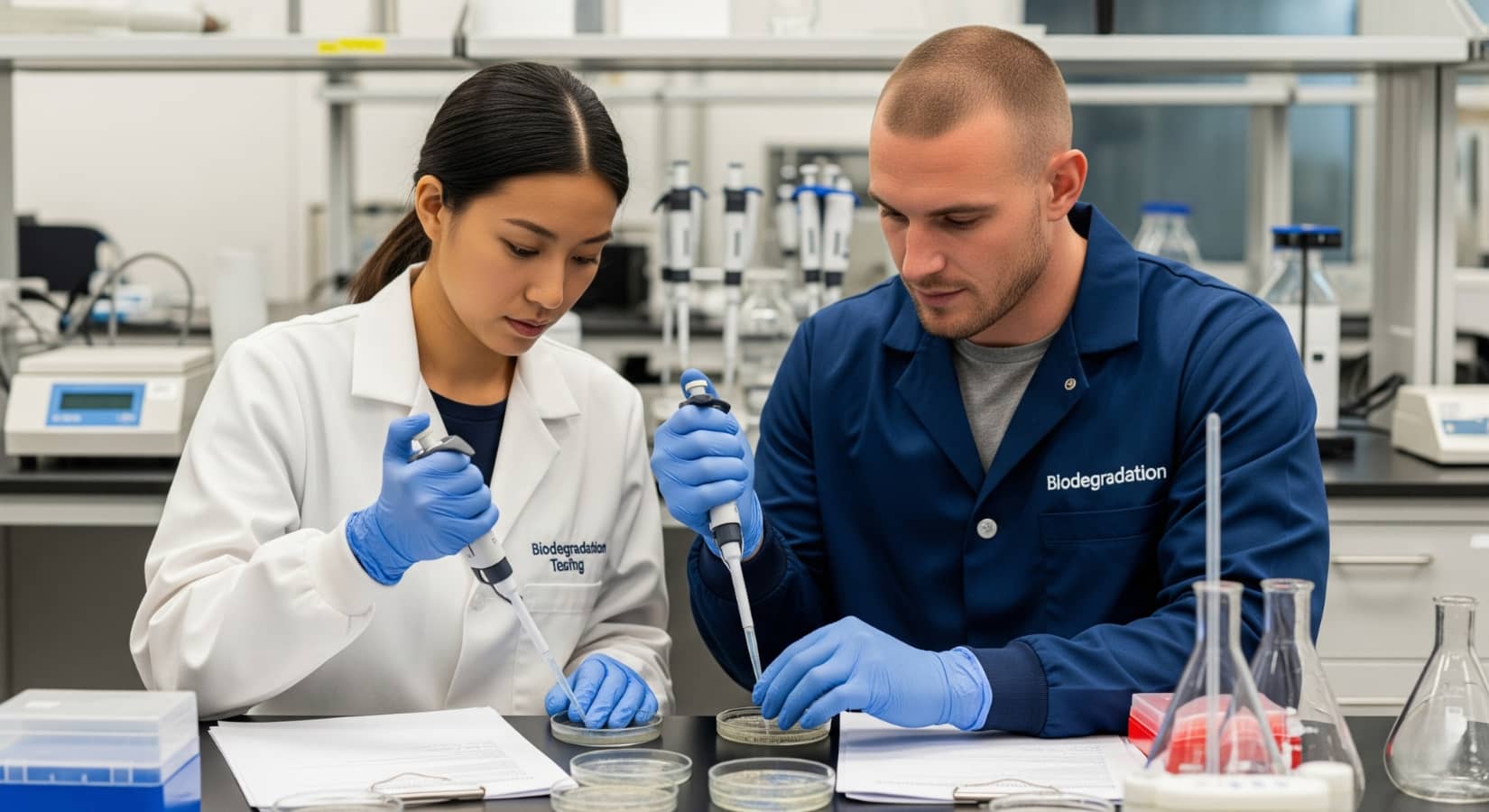
In comparison with environmental performance, chitosan possesses better biodegradability in various environments. According to laboratory tests, chitosan films (at least those made from shrimp shells) biodegrade completely in 28 days in composting conditions, whereas plastics do not biodegrade significantly even after years.
In the sea the chitosan biodegrades within 6-12 months and without releasing harmful microplastic. The performance is particularly important as pollution in the ocean with plastic is increasingly threatening marine ecosystems all over the world.
‘For food preservation, chitosan films are very effective’- Jin, et al. (Source: PubMed)
Manufacturing Process: From Trash to Treasure
Sustainable Raw Material Sourcing
Chitosan production step-by-step The chitosan production process starts with sustainable raw material supply. At Fresh On Time Seafood we take crab shells left over from seafood processing and convert waste into packaging.
This circular economic behavior comes with many benefits:
- Decrease waste in seafood processor landfills
- Generates new sources of income from by-products.
- Ensures consistent raw material supply
- Reduces the impact of transport and resourcing on the environment
Advanced Processing Technologies
Current chitosan manufacturing uses advanced processing techniques which result in high yield and excellent quality end product. The deacetylation of chitin to form chitosan has been optimized for consistent molecular weights and degrees of deacetylation for packaging purposes.
Key processing considerations include:
- Deacetylation conditions under control to obtain desired properties
- Purification procedures to eliminate impurities and ensure food safety
- Product control ensuring the uniform of each consignment
- Scaling-producible technique for the increasing demand
Quality Assurance and Certification
Because we are a responsible chitosan producer Fresh On Time Seafood adheres to strict quality control programs from start to finish of production. Our lab is certified in:
- HACCP (Hazard Analysis and Critical Control Point)
- ISO certification for quality management
- BRC (British Retail Consortium) approval
- EU regulatory compliance
These certifications guarantee our chitosan products comply with the most stringent safety and quality levels applicable to packaging.
Regulatory Landscape and Compliance
Global Regulatory Approval Status
Chitosan has received approval for use in contact with food in several countries. Chitosan is approved by the U.S. FDA as Generally Recognized as Safe (GRAS) for food contact, and by the European Food Safety Authority (EFSA) for several food packaging applications.
Regulatory acceptance is also an imperative for commercial adoption of these materials as it removes one of the key roadblocks to the introduction of new packaging materials. The applicability of chitosan in packaging can be done by companies with peace of mind that this innovative packaging material complies with regulatory rules on world markets.
Emerging Regulations Favoring Sustainable Packaging
New laws are favoring sustainable packaging materials and chitosan is counted among them. Extended Producer Responsibility (EPR) schemes generate positive financial incentives for the use of biodegradable materials, which, added to plastic taxes in place in several countries, increase the cost of traditional packaging.
Such regulatory factors call for a conducive environment for chitosan adoption, with companies looking for options to curb their environmental footprint without contravention of regulations.
Certification and Standards Development
Standards for biodegradable packaging materials such as chitosan are also being established by industry organizations. These standards address:
- Biodegradation testing protocols
- Compostability requirements
- Food safety standards
- Performance benchmarks
As standards develop, they will give more clear direction on use of chitosan packaging for those companies evaluating its use.
Chitosan Packaging: Issues and Solutions
Technical Challenges and Innovations
Although chitosan has numerous benefits, there are some technical issues, which should be solved for its more extensive applications:
Moisture Sensitivity Chitosan’s hydrophilic character may be problematic in high-humidity surroundings. Solution: Protective coatings and chemical treatments can increase resistance to moisture.
Processing Parameters: Chitosan has unique processing parameters that may not be the same as common resins. Solution: Chitosan-specific processing protocols and equipment modifications are being developed by equipment manufacturers.
Costs: Now production costs are more than for traditional materials. Solution: Volumes of production are increasing even further and the processes are being refined, lowering costs.
Supply Chain Development
Developing a sustainable chitosan packaging supply chain needs the involvement of several actors.
- Raw material suppliers (seafood processors)
- Chitosan manufacturers
- Packaging converters
- Brand owners and retailers
Fresh On Time Seafood is actively engaged in establishing these supply chain connections to provide consistent access to high quality chitosan for packaging materials.
Market Education and Adoption
There is still a need for market education on the benefits and uses of chitosan. There are a lot of users who know nothing about properties of the material and possibilities of its usage. Addressing this requires:
- Technical education programs
- Demonstration projects and case studies
- Collaboration with industry associations
- Attendance at trade shows and conferences
Teaming Up with the Best Chitosan Supplier
Key Selection Criteria
A great importance must be given to locate the best chitosan manufacturer in order to apply the packaging successfully. Key selection criteria include:
Technical Knowledge: In-depth knowledge of chitosan and its uses in packaging
Quality Assurance: Comprehensive quality systems and certification
Supply Chain Confidence: Reliable supply and delivery
Innovation: Continuous R&D programs
Sustainability Ethos: A sincere adherence to environmental stewardship
Fresh On Time Seafood’s Competitive Strengths
As one of the foremost a chitosan supplier, Fresh On Time Seafood offers the following competitive advantages:
Vertical Integration: Complete control from raw materials to finished package
Technical Support: Full suite of technical support for packaging development
Quality Assurance: Multiple certifications and strenuous quality control
Environmental Responsibility: True commitment to reducing packaging’s environmental impact
Innovation: Continuous investment in R&D
Collaborative Approach to Packaging Development
Successful use of chitosan packaging involves a tight partnership between producer and user. Fresh On Time Seafood has a participatory style:
Application-specific product development
- Technical consultation and support
- Pilot testing and optimization
- Scalability planning and support
- Ongoing performance monitoring
FAQ
How long does chitosan packaging take to biodegrade?
- Chitosan transforms seafood waste into biodegradable packaging, helping reduce pollution and landfill use.
- It breaks down naturally in months, unlike plastics that last for centuries.
- Chitosan packaging protects food with strong barrier and antimicrobial properties, extending shelf life.
- Approved by FDA and EFSA, it’s safe for food contact and meets strict global standards.
- Brands use it to meet eco-friendly regulations and gain a competitive edge in sustainable packaging.
How much can chitosan packaging reduce a brand’s carbon footprint?
Chitosan packaging lowers a brand’s carbon footprint by using seafood waste and producing fewer emissions than plastic. It also reduces food waste through longer shelf life, further minimizing environmental impact.
Is chitosan packaging safe for food contact?
Yes, chitosan is approved by the FDA as Generally Recognized as Safe (GRAS) for food contact applications and meets stringent safety requirements worldwide.
How does the cost of chitosan packaging compare to traditional materials?
While chitosan packaging currently costs more than traditional materials, the total cost of ownership often favors chitosan when considering extended shelf life, regulatory compliance, and consumer preference benefits.
What applications are best suited for chitosan packaging?
Chitosan packaging excels in food applications, cosmetics, pharmaceuticals, and e-commerce packaging where biodegradability and antimicrobial properties provide additional value.
Content created with insights from Arfadia (Digital Marketing Agency), helping businesses grow digital strategies.