


The increasing global interest in water pollution, industrial outflow, and chemical overuse has underscored the need for cleaner, more efficient, and more sustainable alternatives in water purification.
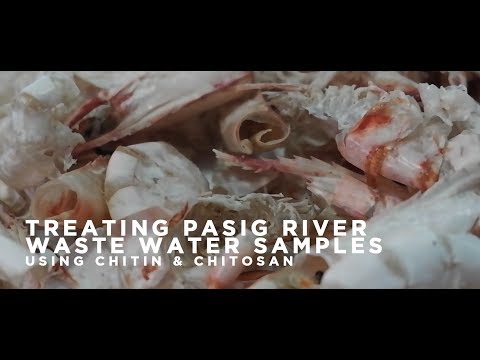
Chitosan, a biopolymer sourced from crab and shrimp waste, is one discreet solution that has gained traction across industries.
Chitosan emerges as the breakthrough solution:
- Effectively removes heavy metals with comparable or superior performance to alum.
- Significantly reduces sludge disposal costs
- Meets strictest EPA/WHO standards
Chitosan is an effective replacement for commonly used chemical coagulants and flocculants, which is revolutionizing water purification, filtration, and environmental safety.
It is vital to work with a knowledgeable chitosan manufacturer that can be trusted by manufacturers and municipalities to maximize the power of this versatile compound.
When selecting a chitosan supplier, companies like Fresh On Time Seafood demonstrate the importance of vertical integration.
Fresh On Time Seafood, established by Bintarna Tardy in 2004, is a trusted global manufacturer and supplier of premium seafood and chitosan products made from crab shells.
Our sustainable and innovative approach serves a wide range of industries, including food, healthcare, cosmetics, agriculture, and water treatment. We are committed to delivering consistent quality, exceptional service, and reliable solutions to clients worldwide.

The Science Behind Chitosan’s Water Purification Power
Chitosan has a unique molecular structure, which is positively charged (cationic) and, as a result, can combine with negatively charged pollutants in water (e.g., oils, heavy metals, dyes, and suspended particles).
This ionic characteristic is what makes it a unique natural coagulant and flocculant. Once in suspension in the water, chitosan attaches to pollutants, aggregating them into bigger flocs that can be effortlessly removed by the traditional methods of separation.
In contrast to the aluminum- or iron-based coagulants traditionally used in water treatment, chitosan is biocompatible and completely biodegradable and therefore desirable in many applications in which sustainability and safety of produced water are critical.
Does chitosan absorb water?
Yes, chitosan is a hydrophilic polymer, meaning it can absorb a significant amount of water at room temperature. While it doesn’t dissolve in water, its structure may be affected when exposed to moisture over time.
Natural Upgrade to Industrial Filtration
Across industries, environmental regulations are becoming more stringent, especially when it comes to wastewater discharge. Traditional chemical coagulants often create new environmental or safety concerns.
This is where chitosan, a biodegradable polymer made from crustacean shells, comes into play, offering a clean and sustainable solution.
As a natural enhancement for industrial filtration applications, it is natural, clean, and sourced from nature, and after refining by a professional chitosan manufacturer.
Textile Industry
Building on these natural coagulation properties, chitosan finds diverse applications across industries. In the textile industry, for example
Textile manufacturing generates complex wastewater containing multiple contaminants that pose significant environmental risks, such as:
- Synthetic dyes
- Surfactants and detergents
- Toxic metals such as lead and chromium
Chitosan’s Benefits
- Hold and Isolate Colorants by Electrostatic Force
- Decrease in chemical oxygen demand (COD) and turbidity
- Absorbs heavy metals and poisonous particles
- Reduces sludge generation, reducing disposal cost
Why does it matter? Use of chitosan by textile manufacturers results in less cloudy effluents and conforms with less effort to discharge standards. It will also improve the sustainability credentials without a hit in processing performance.
Food and Beverage Industry
The food and beverage sector requires the safest possible water treatment methods due to direct consumer health implications, such as:
- Produce wash water
- Meat processing water
- Wastewater from beverage industries
Chitosan’s Benefits:
- Recognized as GRAS (Generally Regarded as Safe) by the FDA for specific food applications
- Acts as a clarifier that removes cloudiness and fine particles.
- Provides optically active antibacterial properties
- Suitable for water recycling that will be used in food contact processes
Why does it matter? Water quality is a non-negotiable factor for food manufacturers. Chitosan renders safe, clean, and non-toxic water treatment: it is ideal for locations where hygiene and environmental responsibility are priorities.
Mining and Metallurgy
Mining operations produce some of the most contaminated industrial effluent, such as
- Metal pollutants: Heavy metals (example: copper, arsenic)
- Acid mine drainage components
- Excessive total suspended solids (TSS) content
Chitosan’s Benefits:
- Binds preferentially to metal ions for simple separation
- Reduces the toxicity of metals in the water further down the line
- Functions in a broad range of pH
- For closed-loop recycling applications
Mining companies face pressure to reduce toxin runoff while reducing chemical burdens. To assist in these efforts, chitosan provides a biodegradable option for metal binding and filtration.
Paper and Pulp Industry
Paper and pulp manufacturing creates effluent streams with high organic loads, such as
- High COD and TSS
- Organic and chemical residues
- Lignin and by-products from the process
Chitosan’s Benefits:
- Coagulates the suspended particles to settle more quickly
- Lowers COD and sludge density
- Reduces the use of synthetic flocculants
- Enhances quality of recycled water
Why is it important? There is reduced discharge and increased water reuse rates in pulp and paper plants that utilize chitosan. This is a great initiative from most companies that would like to reduce their environmental footprint while decreasing the cost of operation.
Reason Why Industries Are Switching
Chitosan is an ever-encompassing choice for industries that are
- Multifunctional performance: Works as a coagulant, antimicrobial, and heavy-metal binder
- Biodegradability and safety: Less hazardous for people and the environment
- Reduced chemical input: Get overall cost value of treatment
- Aligned with ESG objectives: Aids in meeting regulatory and sustainability goals
When companies partner with chitosan manufacturers, they not only gain a cleaner option but also match the work of environmentally friendly competitors.
Environmental Cleanup: Marine and Municipal Applications
Chitosan has also received significant attention for environmental remediation, in addition to its wastewater industrial applications. Chitosan is being harnessed by government agencies and environmental organizations for use in projects like the following:
Oil Spill Application
Chitosan attaches itself to oil (to form oil-chitosan aggregates), making it easier to separate and recover without extra toxicity.
Lake & River Restoration
Eliminates suspended solids, phosphates, and organic matter that contribute to algae blooms.
Drinking Water Treatment
Applied in treating drinking water as a pre-treatment for turbidity removal and to kill pathogens.
The U.S. Environmental Protection Agency (EPA) has even approved chitosan for use in stormwater management systems such as bioswales and retention ponds.
The same chitosan that purifies factory wastewater also helps clean oil spills! When mixed with contaminated seawater, it forms biodegradable ‘nets’ that trap oil droplets for easy removal – a technique now used by 17 coastal cleanup NGOs worldwide.

5 Reasons Industries Are Switching From Chemical to Chitosan Coagulants
For decades, traditional coagulants like aluminium sulfate (alum), ferric chloride, and synthetic polyacrylamide have been used by the water treatment industry worldwide.
Although effective and widely used, such chemicals inevitably evoke increasing environmental, operational, and health-related concerns.
This has driven an increased demand for sustainable substitutes, and chitosan is one of the most promising options. Being a natural biopolymer of marine origin, chitosan has its own unique advantages over conventional coagulants.
Water treatment professionals making the transition often seek guidance from an established chitosan supplier to ensure proper implementation and performance optimization.
Non-Biodegradable: No Long- Lasting Impact on the Environment
Chitosan’s most important advantage is its complete biodegradability. Synthetic coagulants remain in the environment where they may act as persistent toxic pollutants, while chitosan will degrade to harmless, non-toxic products such as glucosamine.
This is an essential characteristic, making it highly desirable for applications in eco-sensitive areas and in disciplines that are working toward environmental compliance objectives.
Conventional metal salt–based coagulants can lead to secondary pollution by leaching metals into soil and water after treatment.
Conversely, chitosan is more in harmony with circular economy principles, as it makes use of waste from crustacean shells and leads to the conversion of marine by-products into added-value materials.
Consequently (when working with a responsible chitosan manufacturer) you aren’t just switching to a more sustainable input, you are decreasing your company’s overall environmental footprint.
Food-Safe/Non- Toxic: Safe for Human and Animal Contact
Certain industries, such as municipal water treatment, aquaculture, agriculture, and food processing, place a high level of importance on safety.
Chitosan is recognized by the U.S. FDA as Generally Recognized as Safe (GRAS) for certain food contact applications, with established safety profiles in food preservation and pharmaceutical formulations.
It’s already used in food preservation, in wound dressing, and in pharmaceutical formulations, so its safety profile is already established.
Chitosan makes an excellent coagulant in water systems where direct and indirect human and animal contact occur. For instance, consider livestock operations or irrigation channels; chemical residues should have no adverse impact on consumers, crop, or ecosystems.
Due to its natural origin and safety profile, chitosan bypasses the long-term side effects sometimes observed with synthetic or metal-based agents. Importantly, it provides reassurance to both end-users and regulators.
Low- Dose Efficiency: Reduced Input, Reduced Cost
Although the initial expense for natural materials such as chitosan could be marginally high, its total efficacy can surpass that of other materials. The coagulating effectiveness of chitosan is still able to create a strong coagulum, even at low levels of concentration.
This allows plants to use less coagulant per unit volume, resulting in similar or improved results for turbidity and contaminant removal compared to conventional coagulants.
Additionally, operational benefits are achieved by lower dosing:
- Lowering sludge volume
- Reduces chemical storage demand
- Less wear on machinery
All of these lead to considerable savings in terms of labor, upkeep, and waste.
Multifunctionality: Coagulation and More
Not only just a coagulant, chitosan is used as a multifunctional agent. It has a positive charge in natures and its polymer structure is allowing it to bind to particles such as suspended solids, oils, and heavy metals, which are negatively charged when dissolved in water.
However, it makes another step forward: since chitosan is a natural antimicrobial agent, it can also inhibit the growth of bacteria during the treatment.
The ability gives facilities a more streamlined approach to chemical inputs, whereby multiple treatment agents can be replaced with one solution.
Chitosan can act as both a primary coagulant and a biological control agent for aquaculture systems and food processing wastewater, for example. It streamlines processes and improves clinical outcomes without adding synthetic biocides to the system.
From Leading Chitosan Manufacturer Customized Solutions
Fresh On Time Seafood develops customized chitosan grades according to molecular weights, degrees of deacetylation (DDA), and solubility to cater to application specific needs.
Fresh On Time Seafood offers complete documentation and technical support for every grade you can need: high-viscosity chitosan for flocculation or water-soluble grade for low-turbidity systems.
We control every step of the process, from sourcing crab shells to a pharmaceutical-grade powder, ensuring traceability and consistent quality, thanks to our vertical integration.
Regulated industries will especially not allow compromise when it comes to purity, documentation, and repeatability.
Dedication towards Circular Economy and ESG Compliance
By using only sustainable marine waste to source our chitosan, Fresh On Time Seafood supports the global cross-over toward circular economy systems.
We help lower landfill and marine waste pollution, landfill carbon footprint, and carbon footprint linked to traditional water treatment chemicals, while converting discarded crab shells into value- added products.
Growing dependence on Fresh On Time Seafood Integration by pharmaceutical companies, agricultural leaders, and industrial processors to meet not only their chitosan supply but also their needs for ESG-friendly innovation.
Boost your ESG credentials with sustainable chitosan solutions. Schedule an ESG compliance consultation with Fresh On Time Seafood Integration today.
Conclusion: Future-Proof Water Treatment
As global demand for clean water continues to rise and environmental standards grow stricter, chitosan stands out as a smart, sustainable alternative to chemical-based water treatment solutions. It embodies the future of responsible industrial practice, natural, effective, and aligned with both economic and environmental goals.
Opting for a trusted chitosan manufacturer, Fresh On Time Integration is a way to not only procure high-grade material but also to align yourself with a brand focused on long-lasting effects and innovation.
From making industrial filtration systems more efficient to treating municipal water or cleaning up environmental disasters, chitosan is a scientifically sound and sustainable solution to meet the demands of the future.
Future-proof your water treatment operations today. Contact Fresh On Time Seafood Integration for comprehensive chitosan solutions that align with tomorrow’s environmental standards.
FAQ
What are the applications of chitosan in water treatment and filtration?
Chitosan is used in water treatment and filtration as a natural coagulant and flocculant that binds to pollutants like heavy metals, dyes, and suspended solids. It is applied across industries and environmental cleanup efforts to improve water quality in a safe, sustainable, and efficient way.
How does chitosan compare to traditional chemical coagulants?
Unlike traditional coagulants like aluminum sulfate or ferric chloride, chitosan is biodegradable, non-toxic, and does not contribute to long-term environmental pollution. It provides similar or better coagulation performance while aligning with ESG and circular economy goals.
In which industries can chitosan be used for water filtration?
- Textile (removes dyes, metals, and surfactants)
- Food and beverage (clarifies wash water)
- Mining and metallurgy (binds heavy metals)
- Pulp and paper (reduces COD and sludge)
What are the key benefits of using chitosan in industrial wastewater?
- Chemical Oxygen Demand (COD)
- Turbidity and suspended solids
- Toxic metal ions
- Sludge volume