
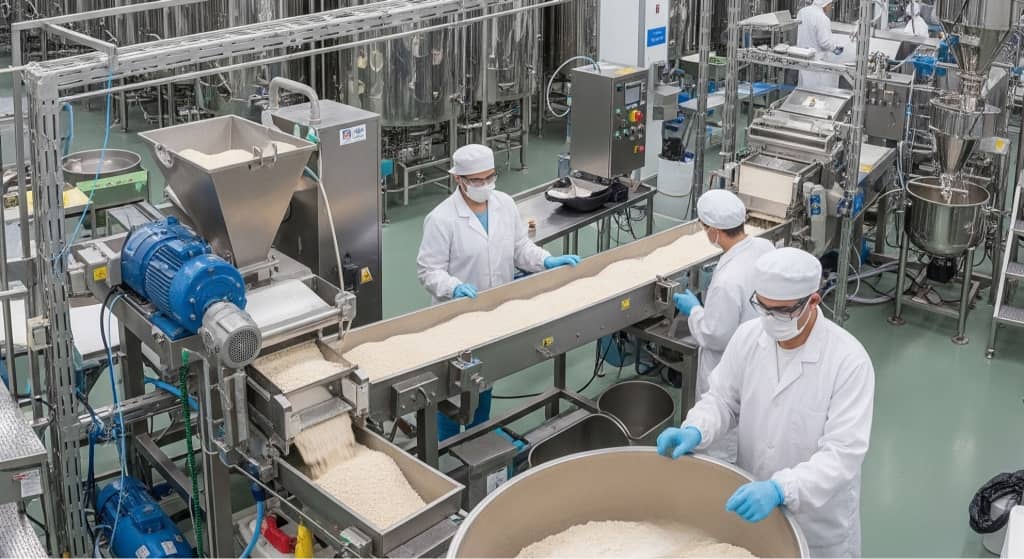
Chitin—nature’s hidden supermaterial—is a biodegradable polymer found in crab shells, mushrooms, and even butterfly wings. Stronger than plastic yet fully compostable, it’s revolutionizing industries from medicine to sustainable packaging. Here’s how.
At a molecular level, chitin’s sturdy chain-like structure (similar to cellulose in plants) makes it both flexible and shock-absorbent—perfect for everything from surgical sutures to biodegradable food wrap.
Like cellulose in plants, chitin offers strength and flexibility—but with added biocompatibility, making it ideal for medical and environmental uses.
What makes chitin unique, is that it is not only mechanically robust, but also biologically compatible, the combination of which is why nature uses it to protect animals from predators, pathogens and physical forces.
It’s basically nature’s version of body armor, particularly for arthropods, helping them survive in tough or changing environments.
The material that ultimately becomes chitosan is chitin, which is deacetylated, meaning acetyl groups are removed and it can dissolve in water when pH is low.
This transformation opens up a world of possibilities. Chitosan has many of the same qualities — biodegradability, biocompatibility and a lack of toxicity — but it has the critical advantage of being soluble, making it way more practical to use in different applications.
Due to their exceptional properties, the chitin and chitosan are currently under intense consideration for the following purposes:
- Biomedicine
- Agriculture
- Food preservation
- Cosmetics
- Environmental remediation
Advanced materials science, including nanotechnology and sustainable packaging
Given the increasing demand of the global market in the respect of natural, renewable and green materials, chitin has shown recently a revitalized interest being one of the most exciting biopolymers with the potential to foster a circular, sustainable bio-based economy.
Recognizing this tremendous potential, innovative companies worldwide are leading the charge in commercializing chitin and chitosan applications.
Founded by Bintarna Tardy in 2004, Fresh On Time Seafood is a respected international processor and supplier of quality seafood and chitosan products produced from crab shell.
Our sustainable and disruptive solution is applied across multiple industries, from food to healthcare, cosmetics, agriculture, and water treatment. We are dedicated to providing quality, value, and reliability and keeping the needs of our customers first.
Biodegradability: Why Chitin Outperforms Synthetic Plastics
Unlike synthetic plastics, chitin breaks down naturally—no microplastics, no toxins. When discarded, bacteria and enzymes convert it into harmless organic matter, making it a guilt-free alternative for packaging, farming, and more.
One of the most remarkable and attractive features of chitin is its natural biodegradability.
Biopolymers such as chitin derived from live organisms such as crustaceans, insects, fungi, and the like, and as such have a natural ability to bio-degrade within the environment via microorganisms, such as bacteria via enzymes.
This results in that when materials of chitin reach their end of life, they degrade to environmentally friendly tissue in the form of organic matter without plastic residuals, greenhouse gases release and microplastic wastage.
This ecological advantage positions chitin as a more attractive material compared to synthetic polymers sourced from petroleum, and notorious for their long biodegradability as well as high levels of pollution, particularly in aquatic ecosystems.
Therefore, chitin and its fully or partially deacetylated derivatives, chitosan, were increasingly stored in the formulae of:
- Bioplastics
- Compostable films
- Biodegradable packaging
- Biodegradable agricultural field mulch film
And, with demand for these green alternatives increasing, Fresh on Time Seafood as an established chitosan manufacturer are making huge investments into sustainable production facilities to keep pace with demand.
Just as important is chitin’s biocompatibility — its capacity to interact with living organisms without causing damage.
Unlike most synthetic materials, chitin is non-toxic, hypoallergenic and non-immunogenic and is therefore especially suitable for use in association with human or animal tissues.
That’s why chitin is often employed in medical implants, bandages, sutures and drug delivery systems. As it is compatible with the body, it can help heal and interact with cells, then break down harmlessly after the work is done.
‘Harvard’s Wyss Institute researchers find that a fully degradable bioplastic isolated from shrimp shells could provide a solution to planet-clogging plastics.’- (Source: Harvard Gazzete)
The nature of chitin which allows it a biodegradable property along with being biocompatible is another reason why it is so attractive for beauty formulations.
Facial masks and skin creams of chitosan have much additional value in that it is a natural product and free of toxicity, and an unsafe face skin treatment is not conducted to the user or the environment.
Amid an era of mounting plastic waste and toxic synthetic chemicals, chitin and its chemical derivatives promise a circular and sustainable solution — one that is good for human health and that of the planet.
As a result, chitin can be unconditionally returned to nature and is completely biocompatible, which renders it one of the most ideal biomaterials in the 21st century.
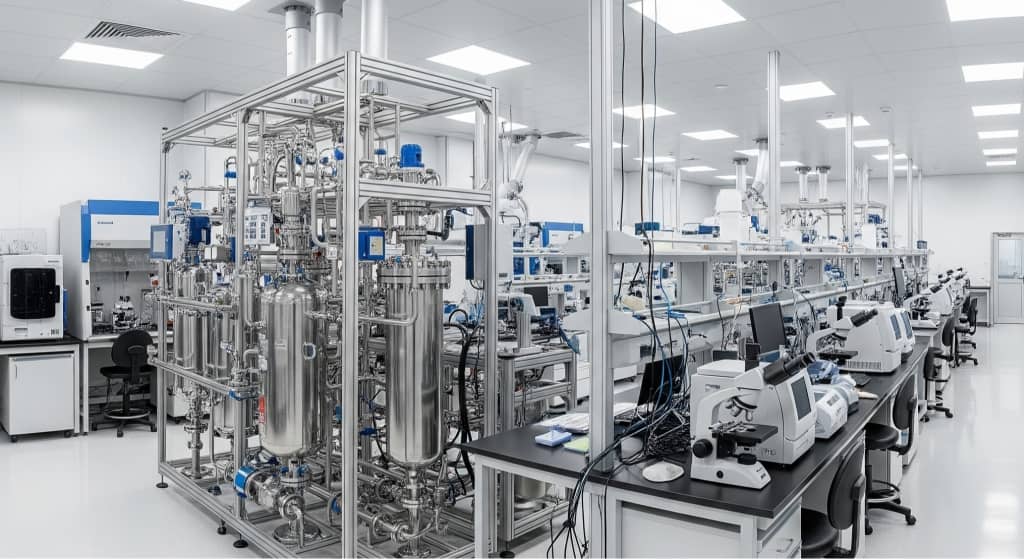
Medical Breakthroughs: How Chitosan Accelerates Wound Healing
One of the most investigated and established uses of chitin and chitosan is in wound healing and surgical treatment.
Chitosan-based materials have unique performances of bioactivity, antimicrobial activity, and biocompatibility; they have an excellent capability to promote skin- and tissue-regenerating processes.
Fresh on Time Seafood as a chitosan supplier of medical-grade products have devised special purification techniques to guarantee that their products comply with high pharmaceutical requirements for wound management.
Chitosan, the partially deacetylated product of chitin, may be employed to coat wounds as a semi-permeable, flexible film.
The film is a protective barrier against germs and other contaminants, yet it still allows oxygen in and moisture out – two necessary components for wound healing.
While most commercial wound dressings may induce irritation or allergy, these chitosan derivatives are remarkably biocompatible, even for application on human skin for delicate treatment.
How does chitosan affect the liver?
Chitosan, when taken alongside a low-calorie diet, may help improve liver function, reduce body weight, and lower waist circumference over time. However, its effect on blood biomarkers and fatty liver indicators (hepatic steatosis) remains inconclusive. Studies suggest benefits are modest and may depend on diet and duration. Always consult a healthcare provider before using it for liver health.
Key Healing Benefits
Both protective and reparative, chitosan assists our body to do battle against itself. It helps:
- Stimulate the growth of fibroblasts (cells that produce connective tissues)
- Encourage production of collagen, an important building block for tissue healing
- Promote angiogenesis, the formation of new blood vessels, to improve the blood supply with oxygen and nutrients to the wound.
Another interesting property about chitosan is that it has coagulative blood effects and that’s why it can halt bleeding fast.
On chitosan application to a bleeding surface, the positive chitosan charge counteracts the negative surface charge of blood cells and the platelets, leading to the formation of a blood clot.
This is particularly beneficial in emergency and battlefield medicine, as well as the operating room for fast hemostasis.
Due to these advantages, chitosan has been incorporated as a key ingredient in:
- Advanced wound dressings
- Hemostatic agents
- Burn treatments
- Surgical sutures
Companies are now using chitosan in even more commercial wound care products – in hydrogel, to sprays, right through to bio active bandages – from numerous skin producers to help increase patient healing in patients with chronic wounds, diabetic ulcers, post operative incisions, etc.
Biodegradable chitin sutures have also made an appearance in surgery. These sutures are absorbed by the patient so it is not necessary to remove them and with less risk of secondary infection or trauma to the tissue.
Because of their flexibility, tensile strength, and bio-compatibility with the human body, they are an ideal material for suturing in any exterior and internal intervention.
In conclusion, the use of chitin and chitosan in wound dressings and surgical tools is evidence that natural resources can offer safer, functional and healing performances than their synthetic counterparts.
Sustainable Agriculture: Chitin as a Natural Pest Defense
Chitin and its derivative chitosan are the new natural products, which play a vital role in sustainable contemporary agriculture.
These biodegradable polymers have been found in eco-friendly pest management such as plant growth enhancement, seed coating agents, soil conditioners, and biopesticides with their biological activity, non-toxicity, and environmental friendly attributes.
Today, Fresh on Time Seafood as a chitosan supplier have products formulated for specific crops and growing conditions allowing these natural solutions to be used on a wide scale.
Plant Immunity Enhancement
Applied to soil, or to plants themselves, chitin-based formulations spur a plant’s natural immune defenses: an action scientists refer to as “elicitor activity.” Chitin and chitosan are not pesticides alone; they are plant defense elicitors functioning by defense induction. They trigger the production of:
- Phytoalexins
- Chitinases
- Other defensive enzymes that help to protect the plant from bacterial, fungal and viral infections
This also makes them highly effective at addressing many of the most widespread crop diseases:
- Powdery mildew
- Root rot
- Blight
- All this and non-toxic to beneficial creatures.
Soil and Plant Benefits
It also helps root growth, to improve absorption of nutrients then improves plant strength and thus yields.
It additionally aids in improving soil structure through stimulating higher microbial activity, resulting in beneficial fungi and bacteria that is fantastic for both plant health and nutrient cycling.
Some studies have shown that soil amended with chitin gives roots a healthier place to grow, promoting the healthiness of the rhizosphere — the soil around plant roots — and of the plants themselves and their yields.
Conversely, chitosan as a seed coating and foliar spray has been reported to improve seed germination rates as well as early seedling protection through the most critical initial stages.
Farmers, agronomist are just getting started trying to use it in postharvest conservation (the protective effect of chitosan based edible films and coatings on fruit and vegetables can dramatically increase the shelf life against spoilage).
Sustainable Agriculture Benefits
Agriculture One of the more praiseworthy qualities of chitin is its use as an effective partial substitute of inorganic (synthetic) chemical fertilizers and pesticides.
Now with global concerns over soil erosion globally, pest resistance to pesticides, and chitin can be applied alternatively and sustainably, for use in organic farming and regenerative, or regen farming.
Fresh on Time Seafood as an innovative chitosan manufacturer are innovating, finding new, more sustainable ways to produce the material, including by turning seafood waste into useful agricultural inputs, adding value to the circular economy while needing to take less of a toll on the environment.
Moreover, as chitin can be obtained from waste biomass (e.g.,shrimp shells, insect exoskeletons), its application in agriculture may also be related to the circular economy converting biological waste into valuable agricultural inputs.
Whether they are increasing plant immunity and soil health, decreasing the usage of chemicals or improving crop quality, the functions of bacteria in these systems are myriad and looking increasingly critical for the future of sustainable agriculture.
Bioplastics and Sustainable Packaging
As the world battles to reduce plastic waste and replace it with more environmentally friendly alternatives, chitin and chitosan byproducts from seafood have proven to be viable raw materials for the production of new biodegradable bioplastics.
Animal shell, insect exoskeleton and fungal chitin based biopolymers are natural and renewable, and provide an eco-friendly and sustainable alternative to petroleum-based non-renewable, non-biodegradable and toxic plastic materials.
Key Applications
Chitin deacetylated derivative, chitosan, has attracted attention in the production of bioplastic due to its ability to form film, strength, elasticity and antimicrobial activity. These features render it useful for:
- Packaging of fresh food products with at least good freshness feels and shelf life
- Biodegradle agricultural mulch, degradation in soil environment after use of crop
- Tableware:plates, platters and cutlery made from compostable materials
- Packaging for electronics or cosmetics etc.
Environmental Advantages
Chitin based bioplastics have many advantages over traditional plastics. For one, they are naturally compostable, breaking down in a composting facility or soil over a period of weeks to months, depending on the makeup and environment.
It reduces pressure on landfills and prevents microplastics from entering ocean and terrestrial environments.
Secondly, chitin biopolymers are suitable for food contact and are non-toxic, which is relatively important in food-grade applications.
The resulting chitins themselves are inert and nontoxic; no toxic petro-chemicals are leached from chitin to which plastics with bioboost have been added.
Furthermore these bioplastics can be co-blended with other bio-materials, such as:
- Cellulose
- Starch
- Polylactic acid (PLA)
This addition results in enhanced mechanical and barrier properties and can bring them closer in service performance to traditional plastic.
Circular Economy Benefits
As far as sustainability goes, there could hardly be a more circular approach than to derive packaging from chitin. Chitin can be produced from raw materials, such as seafood processing waste, which would otherwise become waste.
The valorization of this waste as high value added-functional bioplastic benefits waste recycling, resource saving and circular economy.
Additionally, as the consumer landscape becomes more environmentally-conscious and single-use plastics are eliminated through legislation, the demand for sustainable options is higher than ever.
There is research being conducted by companies and scientists on scalable chitin-based film and material forms, for example:
- Extrusion
- Casting
- 3D printing technologies
Biodegradable, functional, renewable, they are poised to make a huge impact in the growing world of green packaging and eco-conscious consumer products.
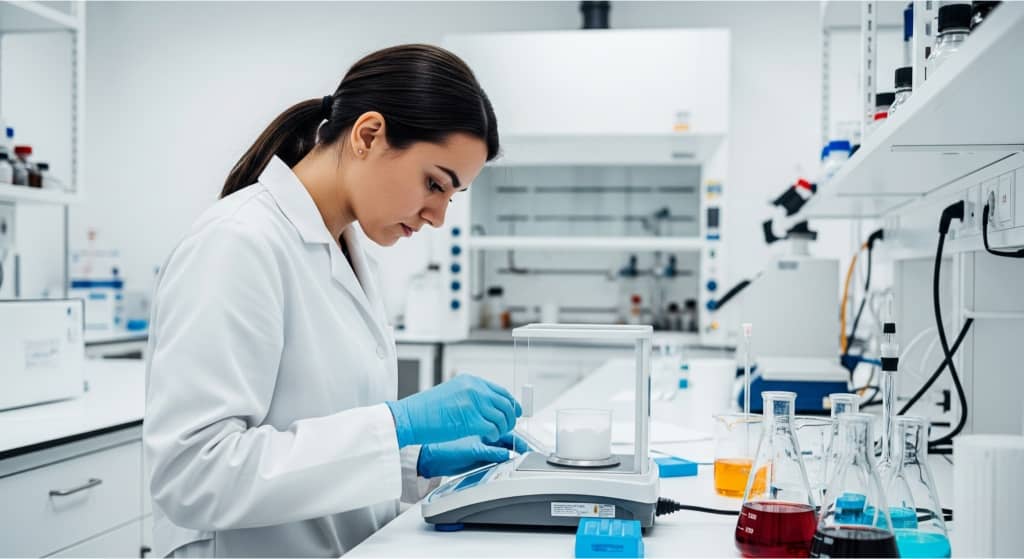
Drug and Gene Delivery
One of the richest and most etherequine chitin-based applications, especially the chitosan nanoparticles, is the drug delivery/gene therapy.
These biopolymers have been used extensively in pharmaceutical and medical applications due to their mucoadhesive behavior, biocompatibility, biodegradability, and capability to produce colloidal systems with a variety of therapeutic agents.
Nanoparticle Advantages
Specifically, chitosan nanoparticles are excellent carriers for :
- Small-molecule drugs
- Peptides
- Proteins
- DNA and RNA-based therapeutics
They are cationic (positively charged) and are able to attach to negatively charged biological membranes and genetic matter.
The delivery of drugs using these vehicles allows protection and avoids the degradation of the molecules during passage through the body, thus providing more targeted and controlled release of the therapeutic agents.
Enhanced Drug Delivery
Because of the mucoadhesive character, chitosan nanoparticles can be used as carriers for drug delivery across the mucosal routes including:
- The nasal cavity
- Oral cavity
- Gastrointestinal tract
- Lungs
- Eyes
Because of the mucoadhesive properties of chitosan that produces increased retention and absorption of drug onto the mucosal surface, the mucosal absorption and thus the bioavailability of poorly absorbed drugs are improved.
Clinical Applications
In oncology, the cationic chitosan nanoparticles are used to transport cytotoxic drugs in the site of the tumor itself. This targeted application minimizes side effects on normal tissue, leads to better therapy and enhances patient quality of life.
Chitosan has also been studied as an adjuvant and carrier in mRNA and DNA vaccines for vaccine developments in the last two years, following the COVID-19 era.
Furthermore, chitosan is natural and cheap to produce, and can be up-scaled and reproducible for advanced medical centers as well as resource- constraint areas.
Their potential as drug delivery systems with predictable and safe behaviour positions them as strong candidates for medicine applications, especially in the new fields of personalised therapy, vaccines and gene therapy.
Is chitosan safe for kidneys?
Chitosan appears to be safe for people with kidney failure, especially those undergoing long-term hemodialysis. Some studies report it may help reduce cholesterol, improve anemia, and support better appetite, energy, and sleep. However, more research is needed to confirm these effects. It’s important to use chitosan under medical supervision in kidney-related conditions.
Cosmetics and Personal Care
Chitosan, a natural chitin derivative, has become an attractive multifunctional ingredient in the cosmetic and personal care industry.
Due to its superior film-forming ability, moisturizing effect, biocompatibility, and antimicrobial property, it becomes more and more favorable for the application of skin care and hair care products.
Specialized methods for processing chitosan derivatives with improved cosmetic characteristics have been developed by Fresh on Time Seafood as the manufacturer of cosmetic grade chitosan in order to produce derivatives suitable for use in premium skincare products.
Skin Protection Benefits
One of its most coveted qualities is that it can create a colorless, breathable film that can be applied to your skin or hair. Such a film forms a protective layer on the skin, with the following effects:
- Environmental pollutants
- Harmful microbes
- Excessive moisture loss
In addition, chitosan can be used as a polymer in skincare products, there being the advantage, when compared to synthetic polymers, that chitosan is biodegradable and non-irritating, and, for example, it is suitable for skincare products to be applied onto sensitive skin or allergic skin.
Skincare Applications
Chitosan While chitosan is used in skin care makeup to help hold moisture in the skin(humectant). It helps to bring water molecules to the skin, adding to:
- Hydration
- Suppleness
- Elasticity
- This is especially helpful in:
- Anti-aging creams
- Facial serums
- After-sun products
- Under-eye treatments
Water Treatment and Environmental Remediation
Chitin and chitosan have wide potential applications in the environment, such as water treatment and ecological rehabilitation.
Due to their excellent adsorption capacity and chemical activity, and mild and nontoxic features, these natural polymers have been increasingly considered as promising candidates for environmental problems including water pollution, soil pollution and oil spills.
Soil Remediation
Chitosan is promising for soil purification as well, especially for heavy metal-polluted agricultural or industrial soils. It may be placed in soil to immobilize pollutants and decrease their bioavailability.
In this way it may enhance soil fertility and crop management. In addition, chitosan may promote activity of soil microorganisms and improve biodegradation of the organic pollutant.
Advanced Filtration Technology
Another area of application is membrane technology, in which chitosan is the starting material for bio-based filtration membranes used in water purification systems designed to remove toxins or pathogens. These membranes are:
- Lightweight
- Cost-effective
- More earth friendly than all other incense materials.
Amid growing global needs for clean water and green remedial approaches, the chitin-based technologies offer promising, affordable options for governments, industries and societies to achieve better environmental conditions and human well-being.
FAQ
What are the top benefits of chitin applications?
- Biodegradability & Environmental Safety
- Biocompatibility in Medicine
- Plant Immunity & Sustainable Agriculture
- Bioplastics & Green Packaging
- Drug & Gene Delivery Systems
- Cosmetics & Personal Care
- Water Treatment & Soil Remediation
What is the significance of chitosan in wound healing?
Chitosan produces a protective, permeable layer on the wound. It promotes collagen production, accelerates healing, and assists the clotting process to help stop bleeding.
What makes chitin-based bioplastics eco-friendly?
Chitin-derived plastics would be biodegradable and compostable, with residues that are nontoxic. They cut down on microplastic pollution and landfill waste.
How does chitosan benefit skincare and cosmetics?
When interacted with, this unique ingredient creates a breathable film that retains moisture and protects against pollution. In anti-aging creams and serums, it’s great for sensitive or allergic skin.