
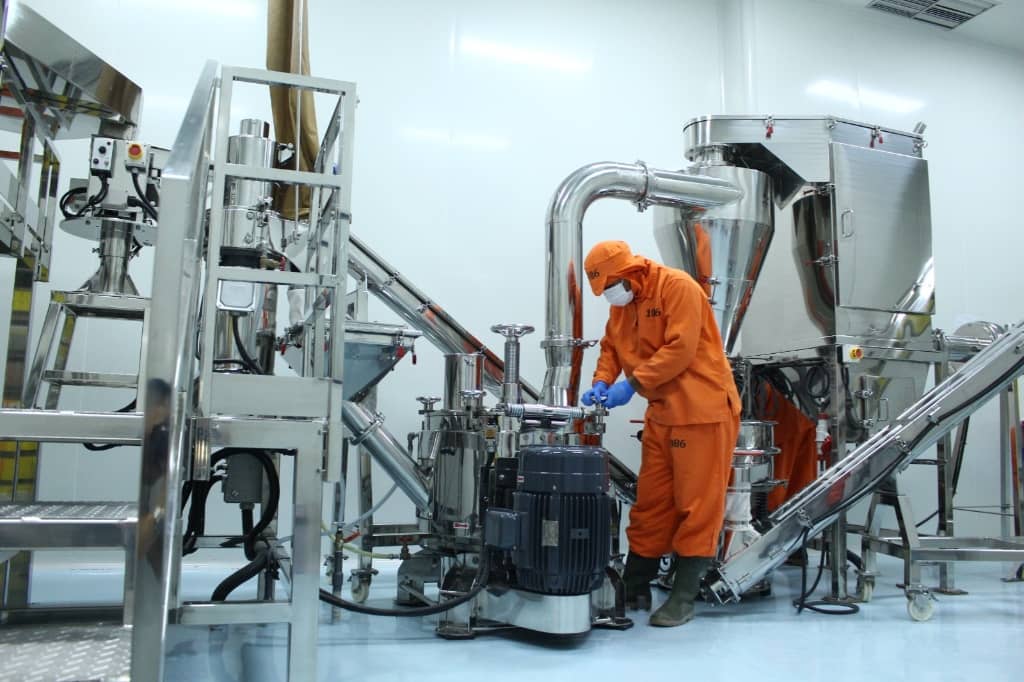
Chitosan is a sustainable biopolymer extracted from crab shells and widely used across medical, food, and environmental industries worldwide. But how do you know which supplier to choose?.
In the large array of biopolymers that arise to fulfill this need, chitosan is one of the most attractive, thanks to its interesting properties and multiple applications.
Chitosan is primarily extracted from crustacean exoskeletons and combines three key advantages: biodegradability, biocompatibility, and functional versatility. These properties make it highly attractive for diverse industrial applications.
It is essential for companies new to the market with interest in chitosan to have full knowledge about the history, properties and use of chitosan. In addition, entering a stable relationship with a trustworthy chitosan manufacturer makes sure of a steady high quality supply, which is a guarantee to success in industry.
This guide aims to provide first-time industrial buyers with a comprehensive overview of chitosan and introduce Fresh On Time Seafood, a leading chitosan manufacturer committed to excellence and sustainability.
Founded by Bintarna Tardy in 2004, Fresh On Time Seafood is a respected international processor and supplier of quality seafood and chitosan products produced from crab shell.
Our sustainable and disruptive solution is applied across multiple industries, from food to healthcare, cosmetics, agriculture, and water treatment. We are dedicated to providing quality, value and reliability, and keeping the needs of our customers first.
What Is Chitosan? Character: Property, Uses and Industrial Uses
Chitosan Definition & Most Important Aspects
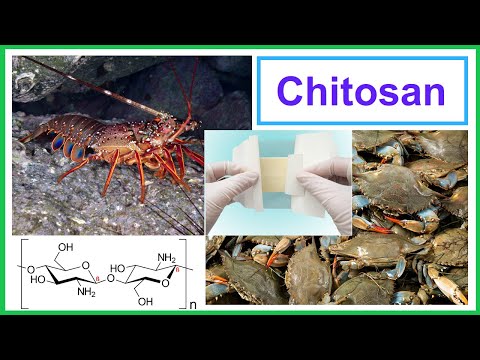
Chitosan: Chitosan is naturally occurring polysaccharide that is obtained from chitin which is an essential composition of crustacean’s shells such as shrimp and crab.
Under the action of deacetylation, chitin was converted into chitosan, a biopolymer with nontoxicity, biodegradability, and biocompatibility.
These properties make chitosan a valuable material across a wide range of industries such as medical, environment and food industry.
Is chitosan approved by the FDA?
Yes, chitosan is approved by the U.S. FDA as a food additive, especially for use in food packaging and dietary supplements. It’s considered safe when consumed orally. However, it’s not approved as a drug for treating or curing diseases. Always consult with a healthcare provider before using it medicinally.
Historical Background
Chitosan’s Discovery and Development: Chitosan has a fascinating history dating back to the 19th century. In 1859, Dr. C. Rouget first discovered chitosan by treating chitin with heated potassium hydroxide. Originally it was a narrowed usage because of difficulties in extraction.
However, advances in extraction and processing techniques over the decades have enabled commercial utilization of chitosan, allowing industries to harness its potential despite early limitations.
Chemical structure and properties
Chitosan is composed of β-(1–4) linked D-glucosamine and N-acetyl-D-glucosamine units. This formulation gives the polymer a cationic charge which is desirable as the polymer effectively interacts with negatively charged entities.
Key Properties:
Solubility: Chitosan is soluble in acidic solutions such as acetic acid but poorly soluble in neutral or basic media.
Biodegradability: It can degrade in several ways such as enzymatic degradation by some enzymes such as chitosanases and chitinases.
Antimicrobial Action: Chitosan has antimicrobial characteristics and works successfully on various germs. jceionline. org
Film-Forming Property: It is able to produce clear, flexible films for use in food packaging and medical devices.
Chemical modifiability: Reactive amino groups enable chemical modifications, which broadens its usefulness for different purposes.
Chitosan in Industry
Chitosan, a natural biopolymer obtained from the deacetylation of chitin, is the second most abundant polymer following cellulose, which occurs in crustacean exoskeleton and is valued in many sectors due to its biocompatible, biodegradable and functional properties.
It has been widely accepted in the field of medicine, environment, food and farming. In this chapter, the diverse uses of chitosan in these sectors are presented as well as the advantages it presents and its plethora of applications.
Medical & Pharmaceutical Industries
In the field of medicine, the special properties of chitosan have been used to develop novel technologies related to wound dressing, drug delivery, and tissue engineering
Dressings and Hemostatic Agents
Hemostatic characteristics of chitosan prove it to be a favorable candidate for dressing. As it is positively charged, it is attracted to negatively charged cell membranes, assisting to clot blood and reduce bleeding time.
Its antimicrobial action also guards against infections to promote quicker recovery. Chitosan dressings have been successfully employed in the civilian and military sectors for controlling traumatic wounds.
Surgical Sutures
Acceptable properties for surgical sutures are given by the biocompatibility and biodegradability of chitosan. In addition to having mechanical support as sutures, Chitosan-based ones can also stimulate the regeneration of the tissue and decrease the probability of postoperative infections.
The fact that they biodegrade is convenient for the patient, who doesn’t have to come back for suture removal.
Drug Delivery Systems
The mucoadhesive property and its capability to gelate and nanoparticle-based structures have been utilized in drug-delivery system. It can also be used to package drug substances and protect them from degradation, as well as for provide controlled release.
The use of chitosan-based carriers has been studied in the delivery of insulin, anti-cancer medicines, and vaccines, among others, with enhanced bioavailability and therapeutic efficiency being achieved.
What does chitosan do for kidneys?
Some early research suggests chitosan may help support kidney function in people on long-term dialysis. It’s been linked to lower cholesterol, improved appetite, and reduced fatigue.
Pharmaceutical companies developing innovative drug delivery systems need chitosan suppliers who offer both extensive technical expertise and the ability to customize molecular parameters for specific therapeutic applications.
Tissue Engineering
In TE, chitosan has been utilized as a scaffold material because of its structural resemblance to the glycosaminoglycans of the ECM.
It is also promoting cell adhesion, proliferation and differentiation so that it is good candidate for the regeneration of skin, cartilage and nerve tissue. Pre-clinical studies using chitosan scaffolds have been promising, therefore offering the potential for clinical application.
Environmental Applications
In environmental applications, chitosan is interesting as a water treatment agent, using the flocculant, adsorbent and other properties of chitosan in removing pollutants. Orison Chemicals Limited
Water Treatment
Chitosan functions effectively as a flocculant, binding solid particles, heavy metals, and dyes in wastewater, which can then be easily removed through sedimentation. Owing to high adsorption capacity for negatively charged contaminants it is also effective purification technique.
In addition, chitosan biodegradability is avoidable of the secondary pollution generation, which conforms to the recycle-oriented and sustainable development of the environment. Orison Chemicals LimitedDergiPark
Air Purification
New studies have revealed that chitosan materials have been developed for adsorbing various airborne pollutants such as volatile organic compounds (VOCs) and particulate matter.
Utilizing chitosan in both filters and coatings of indoor spaces could be a complementing natural material to the synthetic ones in attempts for purification of the air.
Soil Remediation
The ‘heavy metal’ and organic pollutants-binding capacity of chitosan is also useful in soil clean up. Through the immobilization of pollutants, chitosan could minimize their bioavailability in the environment and its related health effects.
Its utilization in phytoremediation techniques as well aids plant development in polluted soils. sciencedirect. com
Food Industry
In food industry its anti-microbial and film-forming potentials, which provides preservation and safety in food products have been highlighted.
Natural Preservative
Chitosan has a wide range of antimicrobial activity against bacteria, yeasts, and molds. Its incorporation into food systems can retard microbial spoilage and thus prolong shelf life without the use of synthetic preservatives.
Chitosan has been used to protect freshness and quality in a wide range of foods, for example fruits, vegetables, meats and dairy products.
Edible Coatings and Films
The film-forming property of chitosan makes it possible to produce an edible coating that acts as a barrier to moisture, oxygen, and microorganisms. They could be used to add a coating directly onto the surface of food for aesthetic appeal to improve texture, feel, and/or shelf life.
Moreover, natural additives, for example, essential oils or antioxidants, can be incorporated into the films of chitosan to enhance their protective properties.
Food Packaging
In addition to food use, the biodegradability of chitosan represents a useful material in biodegradable food packaging. Its use in packaging films provides an environmentally friendly alternative to traditional plastics, resulting in less impact to the environment and food safety.
“These properties are useful for food preservation, increasing the shelf life of goods packaged in chitosan films compared to plastic packaging.” – Nathalie Leung (Source:NHJS)
Functional Food Ingredient
Chitosan is also being targeted for use as a functional food component with known dietary fiber properties and suspected health benefits as a cholesterol-lowering and weight control agent.
The inclusion in functional foods and supplementation is in line with the consumer desire for health-promoting products.
Agriculture
In agro-science, chitosan plays an important role in sustaining agriculture by promoting plant health and minimising the usage of chemicals.
Biopesticide
Chitosan acts as a biopesticide, inducing plant defense systems against pathogens. It induces phytoalexins and pathogenesis-related proteins, and contributes to plant defense.
Some chitosan applications have proven effective against a variety of plant diseases, providing an environmentally friendly alternative to synthetic compounds.
Plant Growth Enhancer
By inducing nutrient uptake, raising photosynthetic performance, and increasing resistances to stress, chitosan can stimulate plant growth.
It can used to improve the crop yield and quality. The growth promoter function of chitosan contributes to sustainable agriculture by replacing chemical fertilizers.
Seed Coating
The use of chitosan as a seed coating can protect seeds from pathogens and can also improve germination.
The coating provides a gas exchange barrier, which creates an ideal environment for seedling development. Chitosan-coated seeds have exhibited better vigor and resistance to environmental adversity.
Soil Conditioner
Chitosan as a soil conditioner may improve soil structure, water retention, and microbial activity. Chitosan as a way to enhance soil health Chitosan promotes sustainable growth of crops and ability to adapt to adversities in crop production through soil improvement.
Diverse uses of chitosan in various industries emphasize the importance of chitosan as a versatile and eco-friendly biopolymer.
It is a most valuable resource in enhancing medical therapy, environment protection, food preservation and agricultural productivity as it is naturally occurring and has functional features.
As research and application of chitosan further develop, indeed, its role in bringing sustainable and new technology products will increase.
5 Tips for Buyers New to the Chitosan Industry
Venturing into the Chitosan Business can be thrilling and intimidating. Chitosan has great potential because it can be used in medical field, environmental field, and food sectors.
But for the new industrial buyer, there’s some careful consideration to be made here. The right manufacturer can influence more than only product performance: it can affect the overall success of your industrial application.
One of the prominent Chitosan Manufacturers, Fresh On Time Seafood, aims to help the new buyers in this regard with honesty, trust and technological skill.
Here, five all-important tidbits to help you make savvy, strategic buying decisions.
1. Understand Your Application Requirements
Before you start to make any buying decisions, it is important to understand what exactly you will be using the device for. The properties of chitosan depend largely on its molecular mass, DDA, and purity.
These factors can have a large performance impact, depending on the use case.
Key Use Case Differences:
Medical Applications: These efficiently require ultra-pure chitosan with a specific molecular weight and higher DDA values compatible with safety, bio-compatibility and therapeutic effect.
Environmental applications: In applications such as water purification or heavy metal recovery it is more related to chitosan as flocculant and how confluent is this function with other structural features.
Food Industry: Coatings, preservatives etc., which may work on antimicrobial activity, film former properties on a different set of chemicals.
With a clear definition of what your application is, you can ask for a fine-tuned chitosan for exactly what you need.
If you’re not sure which chitosan grade is right for your industry, confer with a supplier who knows your market – companies like Fresh On Time Seafood are the experts in making custom chitosan.
2. Assess Manufacturer Qualifications and Certifications
All chitosan producers do not uphold to those high standards of quality or responsibility. When working in the industrial market, compliance and integrity of production is the key.
Key certifications to look out for:
ISO Certification: It guarantees the quality and process control followed by company comply with stringent global standards.
GMP (Good Manufacturing Practices): Is a must for pharmaceutical and biomedical industries, these certify that a product is consistently produced and controlled to the quality standards appropriate to their intended use.
HACCP (Hazard Analysis and Critical Control Points): This is crucial to have in place for food-grade chitosan and means the company is taking a proactive approach to managing food safety risks.
A manufacturer that has been awarded such certifications is indicating that they are not just concerned with the quality of their product, but also that they operate with integrity and concern for customer health and safety.
Fresh On Time Seafood holds prestigious industry certifications with the recognised standards in the industry supporting it as an experienced and reputable Chitosan Manufacturer bringing reputable quality to various industries worldwide.
3. Assess Supply Chain Transparency and Sustainability
Today’s consumers don’t care only about what a product can do, but how and why it’s made. Corporate purchasing departments now have to factor in sustainability, ethical sourcing, and environmental impact.
What to ask about supply chains:
Raw Material Sourcing: From what sustainable seafood waste (shrimp or crab shells) is the chitin sourced? Can it be traced to responsible and sustainable operation of the source?
Processing Methods: How do you process? What chemicals are used for the deacetylation? Are we neutralizing or disposing them responsibly?
Sustainability Certifications: Are the company’s marine operations sustainable or part of the circular economy?
Certifications for Sustainability: A chitosan provider who can transparently source and protect your brand reputation while maintaining your own ESG (Environmental, Social, Governance)goals.
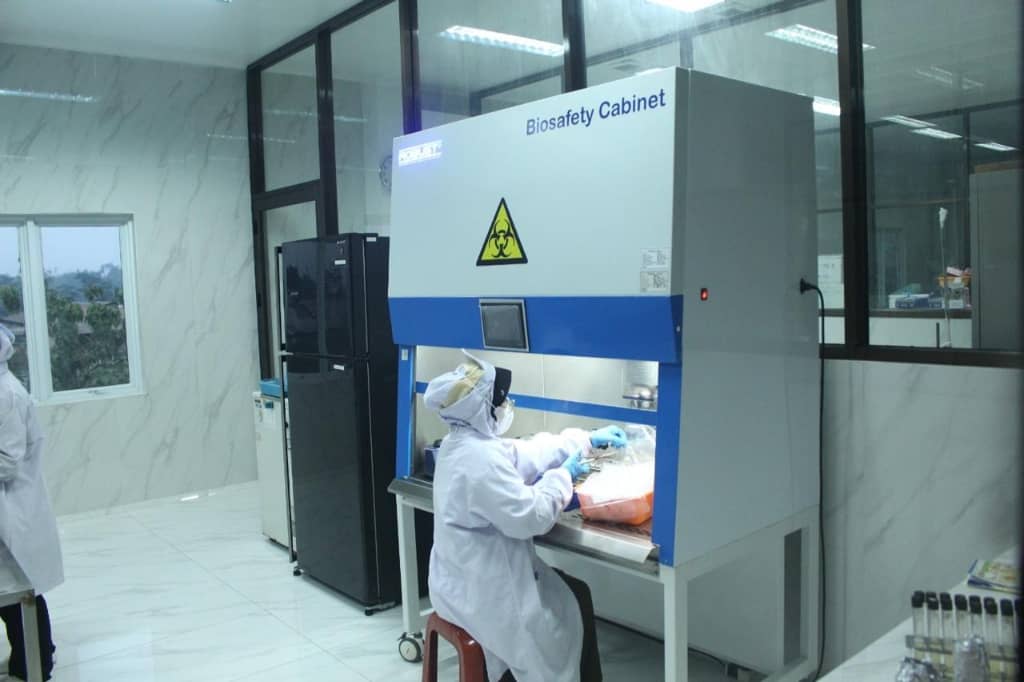
At Fresh On Time Seafood we are aiming to produce high quality chitosan from waste produced from responsibly harvested seafood, helping to build a circular economy and help manage waste in our oceans.
We’re not simply a product — we’re a testament to your brand’s dedication to sustainable sourcing and clean innovation.
4. Ask for Samples and Test Extensively
This step is critical. You should always ask the manufacturer for product samples before you sign up for any long term contract or large order. This way you will have a product that will meet your technical requirements and functional expectations.
Recommended testing steps:
Physical and Chemical Analysis: Lab methods that ascertain molecular weight, viscosity, and DDA, ash content and solubility are employed.
Application-Specific Performance Testing: Performance testing of the content example if need chitosan used for medical, you can cell adhesion, antibacterial, PH responsive testing and so on.
Stability and Shelf Life Testing: For food and pharma applications, these tests are critical to verified ongoing efficacy.
It is only by testing that you can verify whether a manufacturer’s specifications meet your own internal benchmarks.
Fresh On Time Seafood provide for samples of our industrial grade chitosan to see how it would fit your application before ordering a larger quantity. We urge all new users to try our product for themselves.
5. Look at the Manufacturer’s Technical Support and Customer Service
When it comes to purchasing chitosan, it’s not a one-and-done interaction — it’s more like a long-term relationship. It’s for that reason the quality of your supplier’s support team — their responsiveness, expertise and dependability — can be just as critical as that of the material itself.
What to look for in support:
Technical Assistance: Is the manufacturer able to troubleshoot formulation problems for you, or suggest product grades according to your data.
Customization: Do they have the capability to customise various chitosan derivatives, such as water soluble variants and nanoparticles, to meet your end-use needs?
Logistics and Documentation: Can the supplier deliver COAs and MSDSs, plus export licenses and documentation for compliance, asap and the first time?
A premier manufacturer will not simply take your call and answer your questions, but will help you improve your products and processes.
We’re not just box movers like Fresh On Time Seafood, we provide in-depth, hands-on technical support and responsive customer service. We walk with you all the way, from application consulting over to documentation and reordering support.
Whether you’re creating or streamlining a biotech startup or an industrial process, our team is available to provide assistance.
Final Thoughts
It can be a big step to buy chitosan for the first time, particularly if you are developing new uses or need to meet challenging regulatory requirements.
Technical specs to environmental ethics: Every last thing counts. Choosing the right supplier is not just about striking a good deal — it’s about connecting with a reliable partner.
We are a first time and experienced industrial buyer friendly company, that offers quality, eco friendly chitosan, bought in a sustainable manner.
Whether you are in pharma, food tech, environmental remediation, or agri-tech, we are all set to present bespoke solutions to cater to your stringent requirements.
Looking For Chitosan Samples Or Technical Support? Contact Our Experts Today!
We’ll keep your sourcing simple. Contact Fresh On Time Seafood today for technical consultation, product samples and purchasing assistance.
Contact our industrial team to get started or visit our website.
Your answer to sustainable, consistent chitosan starts right here.
FAQ
What are the Beginner Buyer’s Guides for Industrial Chitosan?
- Understand your application requirements
- Evaluate manufacturer credentials and certifications
- Assess supply chain transparency and sustainability
- Request samples and conduct thorough testing
- Consider technical support and customer service
What is Chitosan?
Chitosan is a natural, biodegradable biopolymer derived from chitin found in crustacean shells (shrimp, crabs). Through a deacetylation process, chitin is converted into chitosan, creating a versatile material that is non-toxic, biocompatible, and antimicrobial.
How do I choose the right chitosan grade?
It depends on your industry. Medical users need high-purity chitosan with specific molecular weights and DDA. Environmental uses may prioritize flocculant properties, while food applications often look for antimicrobial and film-forming abilities.
Why are certifications like ISO, GMP, and HACCP important when choosing a chitosan manufacturer?
Certifications ensure that a chitosan manufacturer follows international quality and safety standards.