
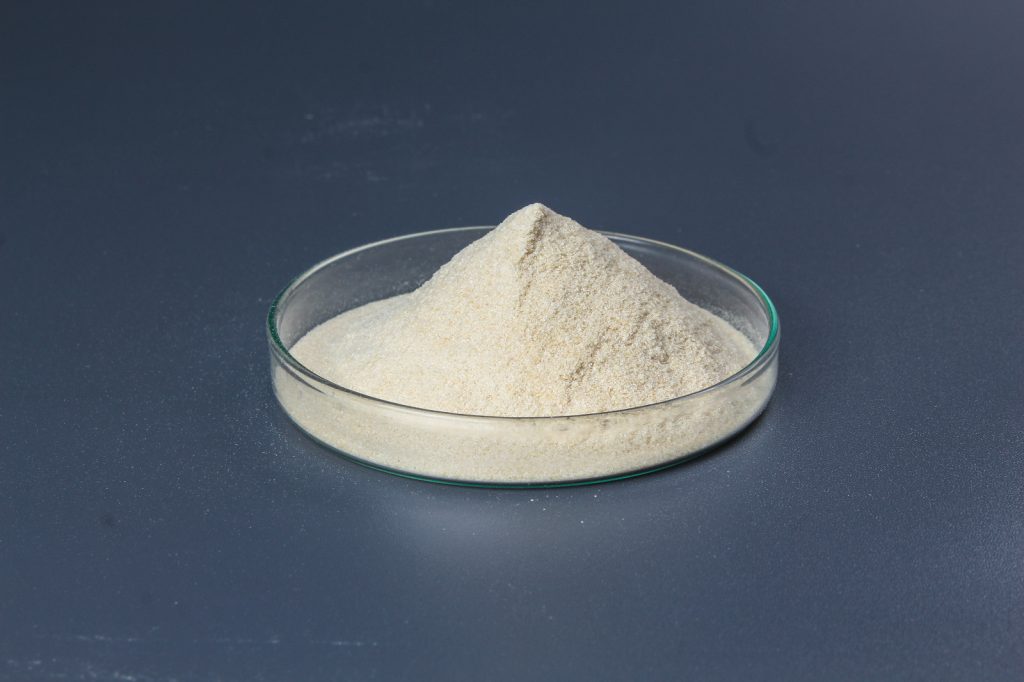
Industrial growth, especially in urbanized regions of Indonesia, has raised concerns about environmental pollution and water contamination. Chitosan offers a sustainable solution for wastewater treatment and pollution control.
1. Heavy Metal Removal
Chitosan has an impressive capacity to bind to heavy metals, including lead, mercury, and cadmium. Its high surface area and functional groups allow it to effectively adsorb these contaminants from industrial wastewater, making it a valuable material for environmental cleanup.
2. Turbidity and Suspended Solids Reduction
Chitosan-based flocculants help in reducing turbidity and suspended solids in water. This makes the treated water clearer and more suitable for reuse, addressing water scarcity issues in industrial and agricultural areas.
3. Biodegradability and Eco-Safety
Unlike synthetic chemicals used in conventional water treatment, chitosan is biodegradable and non-toxic. Its use minimizes the environmental impact and contributes to circular economy practices.
Conclusion: Chitosan is a promising natural material for wastewater treatment in Indonesia, offering an eco-friendly alternative that supports both industry and environmental sustainability.