
The global chitosan market is experiencing steady growth. Driven by demand across pharmaceuticals, cosmetics, food processing, agriculture, and water treatment, chitosan has evolved from a niche biopolymer to a mainstream ingredient with billion-dollar potential.
Fresh On Time Seafood, established by Bintarna Tardy in 2004, is a trusted global manufacturer and supplier of premium seafood and chitosan products made from crab shells.
Our sustainable and innovative approach serves a wide range of industries, including food, healthcare, cosmetics, agriculture, and water treatment. We are committed to delivering consistant quality, exceptional service, and reliable solutions to clients worldwide.
How Big Is the Global Chitosan Market?
Chitosan has officially graduated from being a promising biopolymer to becoming a global industrial staple.
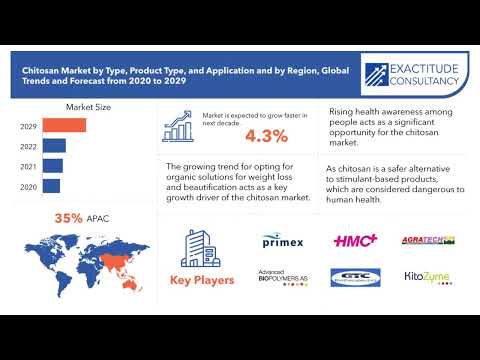
According to various market intelligence reports, the global chitosan market was valued between USD 2.8 and 13.0 billion in 2023, with projections ranging from USD 19.6 to 47.0 billion by 2030, representing CAGRs of 9.5-20.3% depending on the research methodology and scope.
This explosive growth has prompted every chitosan manufacturer to expand their capabilities, and this growth explosion has motivated manufacturers.
This variation reflects strong long-term confidence in both supply and demand across different market segments. But these numbers aren’t just projections, they’re a reflection of real, practical uses that are gaining traction in multiple sectors.
What’s Driving the Market Boom?
Let’s break down the core drivers fueling chitosan’s growth:
1. Sustainability in Raw Materials
Chitosan is produced primarily from marine waste, such as crab and shrimp shells, positioning it as an example of a circular bioeconomy. Instead of contributing to landfill waste or marine pollution, these byproducts are upcycled into valuable, biodegradable materials.
This positions chitosan as a frontrunner in sustainable innovation, especially in industries now under pressure to reduce there carbon footprint.
2. Medical and Pharmaceutical Applications
Chitosan’s biocompatibility, nontoxicity, and healing properties have made it a favored component in:
- Wound care products (e.g., hemostatic dressings)
- Drug delivery systems (e.g., controlled-release tablets and nasal sprays)
- Tissue engineering scaffolds
As global healthcare systems lean into bio-based solutions, chitosan is becoming used in both critical medical applications and consumer wellness products.
With increased R&D funding and regulatory green lights (like FDA-recognized medical devices), pharma remains one of the most lucrative chitosan-consuming industries.
3. Food and Beverage Industry
In the F&B sector, chitosan is used:
- As a clarifier in juices and wines
- As a dietary fiber or fat blocker in supplements
- As a preservative coating to extend the shelf life of produce
With consumers increasingly reading food labels and demanding clean, natural, and functional ingredients, chitosan is increasingly used to meet this demand.
While certain forms of chitosan (specifically fungal-derived chitosan from Aspergillus niger) have limited GRAS status for specific applications like alcoholic beverage production, most chitosan does not have broad GRAS designation.
However, regulatory support in Europe and Asia, along with FDA recognition for specific medical applications, helps maintain market momentum.
4. Agricultural Innovation
In agriculture, chitosan acts as a:
- Biopesticide: Enhancing plant resistance to diseases
- Growth stimulant: Encouraging seed germination and biomass increase
- Soil conditioner: Improving microbial activity and nutrient uptake
As synthetic chemicals fall out of favor due to environmental and health concerns, chitosan-based agricultural inputs are becoming increasingly adopted as eco-friendly tools in organic and regenerative agriculture.
5. Water Treatment & Environmental Use
Chitosan is also increasingly used in industrial and municipal water treatment. Thanks to it’s strong binding ability with heavy metals, oils, and suspended solids, chitosan is used as:
- A flocculant
- A metal chelator
- A biopolymer filter enhancer
With the global push for cleaner water systems, especially in urban and industrial zones, bio-based water treatment solutions like chitosan are on the rise.
Regional Market Strength
The Asia Pacific region, home to some of the world’s largest seafood producers, is currently dominating the chitosan market. Countries like China, India, Japan, Indonesia, and Thailand have the dual advantage of:
- Ready access to raw crustacean shells
- Government support for bioeconomy and green chemistry
Meanwhile, North America and Europe are witnessing surges in demand, largely driven by:
- Pharmaceutial and medical innovation
- Stricter environmental regulations
- Consumer preference for clean label products
The result? A global supply chain that is growing more interconnected and more competitive by the year.
Bottom Line
Chitosan’s market growth isn’t just about quantity, it’s about quality, innovation, and responsible sourcing. As more industries recognize the value of sustainable bio-based ingredients, chitosan is a viable solution in many applications.
And in a space where demand is outpacing poor-quality supply, partnering with a trusted, vertically integrated chitosan supplier becomes a strategic priority.
What Is the Best Source of Chitosan?
Chitosan is primarily obtained from chitin, a naturally occurring polysaccharide found in the exoskeletons of arthropods and the cell walls of fungi. While alternative sources like fungi and insects do exist, they have yet to compete in scale or efficiency with marine biomass.
Crustacean shells, especially from crabs and shrimp, remain the dominant and most reliable source for commercial chitosan production.
The reason is simple: marine-derived chitosan offers a strong balance between availability, quality, and processing performance. This makes it the preferred raw material for manufacturers operating in high-regulation environments like pharmaceuticals, cosmetics, nutraceuticals, and food processing.
Why Are Crustacean Shells the Preferred Source?
1. Abundant Waste Stream from Seafood Processing Industries
The global seafood industry produces millions of tons of waste annually, particularly in the form of discarded shells. Crab and shrimp processing facilities generate a significant volume of shell byproducts that would otherwise be disposed of or underutilized.
Turning this biomass into chitosan represents an efficient, value-added use of waste, converting an environmental byproduct into a functional ingredient.
2. Superior Chitin Quality and Deacetylation Efficiency
Chitin extracted from crustacean shells typically exhibits higher molecular weight and crystallinity than fungal alternatives.
This leads to better performance during the deacetylation process and the chemical conversion of chitin to chitosan. Marine-sourced chitin produces chitosan with more predictable:
- Degree of deacetylation (DDA)
- Molecular weight control
- Viscosity and solubility
These properties are critical when producing chitosan for medical, pharmaceutical, or food-grade applications, where batch consistency and functional reliability are non-negotiable.
3. Lower Environmental Impact Compared to Synthetic Alternatives
When sourced responsibly, crustacean shells have a relatively low environmental footprint. Instead of requiring new raw materials or land usage, they utilize existing seafood waste that is already being harvested.
This minimizes environmental disturbance and reduces the overall life cycle impact of the chitosan production process.
Many chitosan manufacturers now consider this a key differentiator, especially when aligning with sustainability goals or achieving certifications related to green chemistry.
What is the market demand for chitosan?
The global chitosan market is growing rapidly due to its wide applications in pharmaceuticals, food, cosmetics, and water treatment. It is valued at about USD 20.4 billion in 2024 and projected to reach over USD 112 billion by 2033. Shrimp shells remain the main raw material, contributing the largest market share. This strong growth is driven by rising demand for natural and sustainable biopolymers.
Why Other Sources Fall Short
Fungal Chitosan
Fungal-derived chitosan is increasingly studied in niche applications, particularly for vegan or allergen-sensitive uses. However, the production costs are substantially higher, and the final material often has:
- Lower molecular weight
- Unstable purity levels
- Less availability in commercial-scale volumes
As a result, fungal chitosan has not yet proven scalable or economically viable for mass production.
Insect Chitosan
Chitin from insects is a newer avenue of research, with interest growing in insect farming and biowaste upcycling.
However, the technology remains experimental, and the regulatory acceptance for insect-derived biopolymers, particularly in pharmaceutical or food sectors, lags behind that of marine sources.
Crustacean Chitosan: The Industry Standard
Most top-tier chitosan manufacturers around the world continue to rely on crustacean shells as their primary raw material.
Whether the end use is for a surgical wound dressing, dietary supplement, agricultural spray, or cosmetic emulsion, the marine source offers consistency and scalability that others cannot yet match.
Crustacean-sourced chitosan is the gold standard for good reason:
- It’s backed by decades of research and safety data.
- It complies with FDA, EFSA, and global regulatory frameworks.
- It is available in commercial volumes without compromising on quality.
For companies that require precision in formulation and regulatory compliance, marine-derived chitosan remains a widely used source globally.
How to Find the Right Source of Chitosan
As global interest in chitosan continues to rise, the number of suppliers entering the market has increased significantly. But volume does not guarantee value.
The reality is, not all chitosan is created equal, and choosing the wrong supplier can lead to regulatory setbacks, product inconsistencies, or even brand damage.
Finding a reliable and quality-driven chitosan manufacturer requires more than comparing price tags, it demands a thorough evaluation of technical capability, regulatory alignment, and long-term supply security. Below are the critical factors you should assess before locking in a supplier.
1. Traceability
Traceability isn’t optional, it’s essential. A trustworthy chitosan manufacturer should be able to track each batch back to its original raw material, including details about the type of crustacean, processing location, and lot number.
This transparency is crucial for:
- Meeting global regulatory compliance, especially in the food and pharmaceutical sectors.
- Ensuring product consistency and safety.
- Verifying that the source is sustainable and ethically harvested.
If your supplier can’t offer complete documentation on traceability, you’re taking a risk that could affect both product integrity and customer trust.
2. Quality Certifications
Certification is more than a badge, it’s a commitment to process integrity. The right supplier should provide up-to-date certifications and detailed documentation for each production batch. At a minimum, this includes:
- Certificate of Analysis (CoA): Confirms composition, purity, molecular weight, and other key specs.
- Technical Data Sheet (TDS): Summarizes performance characteristics and application compatibility.
- Material Safety Data Sheet (MSDS): Outlines safe handling and storage requirements.
- Third-party certifications like GMP, ISO 9001, HACCP, or GRAS acknowledgment, depending on your industry.
Lack of documentation is often a red flag for poor process controls or inconsistent product quality.
3. Customization Capability
Every formulation is different, and your chitosan input must align precisely with your functional goals.
Whether you’re formulating for drug delivery, wound care, water purification, or cosmetics, you need a manufacturer who can customize the product’s molecular weight, viscosity, degree of deacetylation, and particle size to meet your exact specifications.
Key variables include:
- Viscosity
- Degree of Deacetylation (DDA)
- Molecular weight
- Mesh size or particle granularity
A reliable supplier should be flexible in production, with the capability to fine-tune these parameters in a controlled, repeatable environment.
4. Regulatory Readiness
Regulatory landscapes vary by country and industry, and navigating them without the right partner can be complex and costly. An experienced chitosan manufacturer should have deep familiarity with the regulatory frameworks that govern your application, including but not limited to:
- FDA (U.S.)
- EFSA (Europe)
- REACH (Europe)
- Health Canada
- ASEAN Cosmetic Directive (for APAC)
Your supplier should be proactive in offering documentation and support that facilitates smoother regulatory submissions and minimizes delays.
5. Production Scalability
Chitosan needs are rarely static. What starts as a pilot project today may evolve into a full-scale commercial product within months.
That’s why you need a supplier with the infrastructure and flexibility to scale production without compromising on quality or lead times.
When evaluating scalability, consider:
- Do they have dedicated capacity for high-volume orders?
- Can they maintain consistency across large and small batch sizes?
- Are they experienced in bulk shipping, export logistics, and customs documentation?
The ideal manufacturer supports you through every stage of growth, from formulation R&D to global distribution.
Fresh On Time Is Here As the Solution
At Fresh on Time Seafood, we’re more than a seafood exporter. We are a vertically integrated chitosan manufacturer with full control over sourcing, processing, and packaging.
Here’s what is a differentiating factor for our operations:
Vertical Integration
We start with our own seafood waste stream, primarily crab and shrimp shells, ensuring sustainability and cost efficiency from day one.
Modern Processing Facilities
Our production lines include:
- Deacetylation tanks
- Spray dryers and UV sterilizers
- In-house lab testing
- Mesh grading and packaging units
Custom Grades
Whether you need industrial-grade, pharma-grade, or cosmetic-grade chitosan, we deliver precision specifications for your industry.
Regulatory Support
We provide all necessary documentation to support global export, including GRAS acknowledgment, CoA, and traceability documentation.
Fast Global Shipping
We’re strategically located in Southeast Asia, giving us fast access to shipping routes across Asia, Europe, and North America.
Why You Can Trust Fresh on Time as Your Chitosan Manufacturer
We understand the stakes. Whether you’re a biotech startup, supplement brand, or pharmaceutical distributor, you need a chitosan source that delivers on quality, compliance, and consistency.
Here’s why Fresh On Time Seafood is trusted globally:
- Transparent sourcing from certified processing plants
- GMP-compliant production lines
- Batch-specific quality reports on DDA, viscosity, and particle size
- Responsive client service and technical documentation
- Years of experience in seafood and bioextraction industries
Our clients trust us not only for the product, but also for the partnership. We don’t just ship chitosan, we build supply chain confidence.
Final Thoughts
The global chitosan market is expanding rapidly. But sourcing quality chitosan is about more than riding the trend, it’s about aligning with a partner who understands raw material science, global compliance, and application-driven customization.
Fresh on Time Seafood is proud to lead that charge. We offer high-quality, sustainable, and certifiable chitosan that scales with your business.
FAQ
What are the current global chitosan market trends and sourcing insights?
Chitosan market growth is explosive, projected to reach USD 47 billion by 2030 due to rising demand for sustainable solutions. Successful sourcing requires certified suppliers using crustacean shells with proper documentation.
What’s the best source of high quality chitosan?
Marine crustacean shells, especially shrimp and crab, provide high-quality, scalable chitosan; fungal and insect sources are less consistent.
What should I look for in a chitosan supplier?
Seek full traceability, certifications (GMP, CoA, GRAS), customization options, regulatory support, and production scalability.
Why choose Fresh On Time Seafood as your chitosan manufacturer?
They offer vertically integrated production, sustainable sourcing, in-house testing, full documentation, and strong global logistics capabilities.