
In today’s pharmaceutical, food, and industrial markets, quality is no longer enough.
Regulatory compliance is everything. For international buyers of chitosan, choosing the right supplier means ensuring not just performance but provable adherence to strict regulatory frameworks across the EU, U.S., and Asia.
This is why at Fresh On Time Seafood, compliance is the order of the day, your formulation, product approval, and brand reputation rest in our hands.
Founded by Bintarna Tardy in 2004, Fresh On Time Seafood is a respected international processor and supplier of quality seafood and chitosan products produced from crab shell.
Our sustainable and disruptive solution is applied across multiple industries, from food to healthcare, cosmetics, agriculture, and water treatment. We are dedicated to providing quality, value, and reliability, and keeping the needs of our customers first.
This is how you assess if the chitosan manufacturer you choose works according to the global standards for export, such as those imposed by the FDA, REACH, ECHA, ISO 9001/22000, and HACCP, and how the manufacturers of Fresh On Time Seafood fit in this demanding regulatory system.
Importance of Global Standards in the Chitosan Trade
Chitosan is not a bulk commodity raw material. Everything from regulatory approvals to clinical outcomes to consumer safety is influenced by its source, processing method, purity, and compliance credentials.
One missing document can trigger:
- Extended customs holds can result in significant storage fees
- Mandatory lab retesting ($5,000+/shipment)
- Permanent import bans
They need to ensure that their chitosan manufacturer is following the international standards of trade, including all the stringency from raw material traceability and ISO
factory certifications to regional compliance documentation.
What is the best source of chitosan?
The most reliable and widely used source of chitosan is crustacean shells, particularly from shrimp and crabs. These shells are rich in chitin, which is easily converted into high-quality chitosan. This byproduct of the seafood industry is sustainable, cost-effective, and available in large quantities. While insects and fungi can also be used, crustaceans offer the best purity and scalability for industrial use
Import regulations become stricter each year. The REACH regulation of the EU demands stringent chemical safety data. Advanced technology is not a major barrier; the U.S. FDA mandates compliance in the aspects of GMP, labeling, and material traceability.
ISO-based import requirement are now made for food and pharmaceutical goods by most of the countries in the Asia–Pacific area. The higher the stakes, the more expensive regulatory mistakes are.
Specifically, this is the case for the use of chitosan, with wide applications− drug delivery, wound care, dietary supplements, food stabilization, cosmetics, and agricultural use.
In each of these categories, buyers need to be certain the supplier has the regulatory framework to manage multi-region paperwork, audits, and traceability.
Your chitosan supplier should also be able to give you real- time access to certificates of analysis (CoA), material safety data sheets (MSDS) records, and the record of where the products came from. They are no longer optional.
Manufacturers must now prepare extensive dossiers on every ingredient, even “inactive ingredients” like excipients, for customs agencies, FDA auditors, and health regulators.
As an example, a U.S. pharmaceutical buyer cannot progress clinical testing without a Drug Master File (DMF) and registration with the FDA for the excipient.
Without REACH registration or, as is usual, demonstrated conformity to the European Pharmacopoeia, a European distributor cannot legitimately place a chitosan-based product on the market.
Without halal certification or allergen declarations, commodities may be rejected by customs in Asia almost immediately. But still, all of this points in the same direction: You’re not buying a material, you’re buying compliance, and the ability to roam across markets.
By aligning with Fresh On Time Seafood, a chitosan manufacturer compliant with global regulations, you reduce your regulatory burden, protect your reputation, and speed up your path to market.
5 Non-Negotiable Certifications for Hassle-Free Chitosan Exports
If you are importing chitosan, you will need to verify that your supplier conforms to market- related as well as global regulations or standards. Let us list out what constitutes a true manufacturer to be export-ready:
FDA (USA Market) Registration and Compliance
Facility Registration: A basic requirement for most pharmaceutical and food-grade imports is that the chitosan manufacturer should be registered with the U.S. Food and Drug Administration (FDA).
Documentation: The manufacturer should provide important regulatory documents, including certificates of analysis (CoA), material safety data sheets (MSDS), and ideally a Drug Master File (DMF) submission for excipient use.
Traceability: Traceability must be in place for all raw materials involved in production, and these need to be produced under GMP-certified conditions.
Such traceability is frequently confirmed during inspections by the U.S. FDA and represents a non-negotiable component of compliant supply chains.
REACH Compliance and ECHA Registration (European Union (EU) Market)
REACH Status: The chitosan will be pre-registered or fully registered according to the European Union REACH framework (Registration, Evaluation, Authorization, and Restriction of Chemicals).
Assessment from ECHA: Ideally, the supplier has been evaluated by the European Chemicals Agency (ECHA) or has collaborated with a Notified Body; his attribute gives them genuineness to perform EU compliance and make the importing process quicker.
ISO Certification
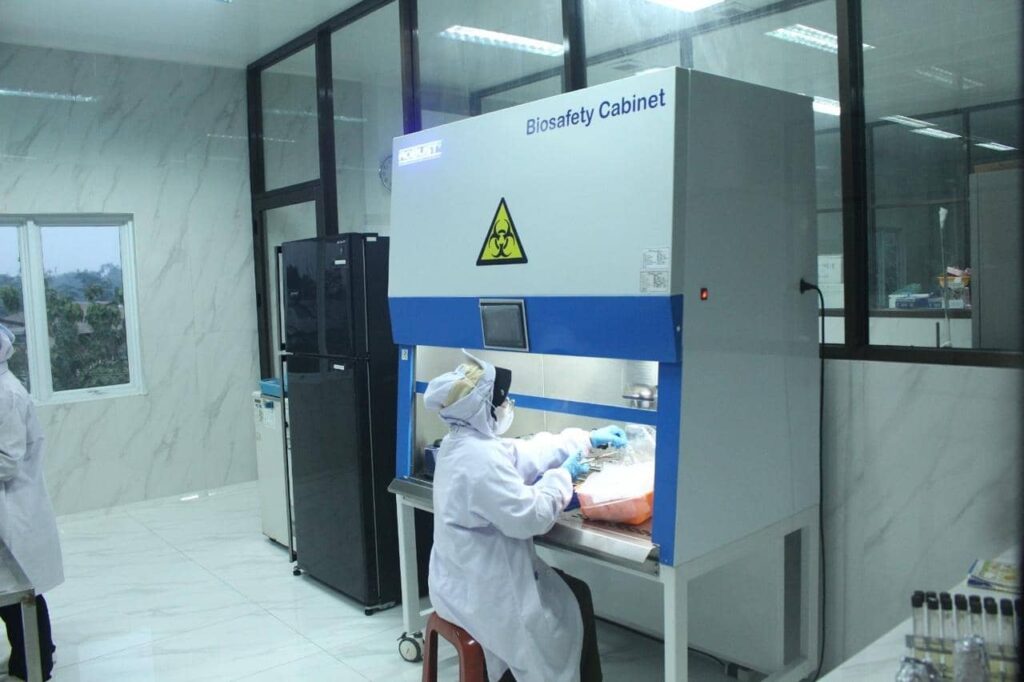
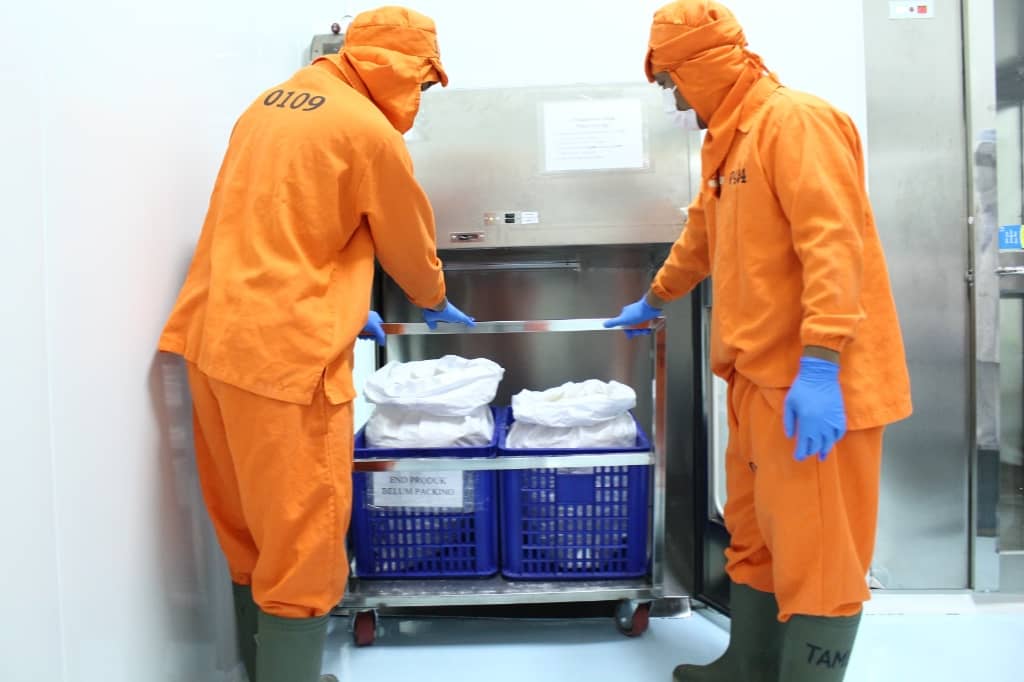
Quality & Safety Systems ISO 9001 (Quality Management) and ISO 22000 (Food Safety) These international benchmarks demonstrate that a company has implemented internal controls for traceability, hygiene, quality consistency, and safety procedures.
So this is operational. Transparency– Suppliers should have documented procedures in place for sanitation, for material validation, and for lot control. These certifications ensure compliance with international operational standards.
Halal, Kosher and Allergen Certifications (Asia, Middle East)
Religious/Compliance: Some markets, like the Middle East, Malaysia, and Indonesia, may demand Halal certification, while others may demand Kosher. This means manufacturers need to be ready with proof of documentation and a controlled environment for processing.
Control of Allergens: Allergen-free processing is important for buyers of food and cosmetics. Facilities should validate allergen control programs in place and provide such declarations.

Eco-Friendly, Biodegradable, and Ethically Sourced
Source of chitosan: check that it comes from renewable crab shells and does not support overfishing or unethical harvesting.
Minimal Environmental Impact: Manufacturers should be able to provide documentation or certification that the carbon footprint is reduced, that it provides ethical labor practices, and that it is overall minimizing environmental degradation.
Safety in the End Use: Imperative biodegradability and non-toxicity of products are critical for the usage of pharmaceuticals, food, and environmental applications, and such tests have to be verified on the end-use level by your supplier.
These five pillars combine to create the infrastructure needed to manufacture chitosan for export.
Only suppliers with these standards, like Fresh On Time Seafood, can help you with your cross-border operations, compliance plans, and brand expansion in overseas markets.
International Application: Exporting Chitosan to U.S., EU & Asia
Global compliance is not a checkbox exercise, bring buyers in regions that are all governed by different regulations along for the ride.
Fresh On Time Seafood, as an export-ready chitosan manufacturing unit, is aware of the fact that each of these markets has different levels of expectations, different compliance documents, labeling practices, and testing benchmarks.
Here is how we navigate the compliance maze for our clients, distributors, procurement teams, and regulatory managers, across regions.
For U.S. Importers
With comprehensive regulations in the U.S. for both pharmaceutical and nutraceutical markets, understanding the FDA framework is absolutely essential. Fully compliant chitosan production for US regulatory requirements:
FDA Facility Registration, Our manufacturing location is FDA-registered, which means that we comply with the necessary baseline legal requirements regarding the raw materials and components used in pharmaceutical and dietary supplement applications, ensuring all requirements of Title 21 Section 207 of the Code of Federal Regulations are achieved.
DMF Support: We have DMF, ready documentation for certain chitosan grades that promotes streamlined review by the FDA when NDAs, ANDAs, or INDs are submitted. It exponentially reduces your compliance overhead and time to market.
Applications Supported:
Drug delivery: Our pharmaceutical-grade chitosan is well-suited for use in mucoadhesive tablets, gels, and nanoparticles.
Biocompatible chitosan promotes wound healing with the aid of hemostatic and antimicrobial properties, wound care
Food Quality Chitosan: Our chitosan meets GRAS (Generally Recognized as Safe) standards, backed by clinical and safety data.
All documents are available. We provide batch-specific CoA, MSDS, allergen declarations, and traceability reports on request.
As a result of this infrastructure, U.S.-based formulators looking to minimize regulatory risks while assuring product integrity have Fresh On Time as their partner of choice.
For EU Distributors
Anyone selling into the European Union needs to navigate their complex world of REACH, th eEuropean Pharmacopoeia, and national-level needs. At Fresh On Time Seafood, we are ready to be scrutinized to this extent.
REACH-Ready Dossiers: We have food- grade (toxicology) and safety profiles of our chitosan adaptable to REACH (Registration, Evaluation, Authorisation and Restriction of Chemicals) files. Our dossiers on molecular weight, Degree of Deacetylation (DDA), heavy metals, and biocompatibility have similar data.
Compliance with European Pharmacopoeia: Each and every CoA and quality specification is designed in the required format and matches the threshold limits required by the European Pharmacopoeia, which makes documentation easier for our clients located in the EU.
Backing ECHA Needs: If you’re registering a finished good or want to expand to be an Only Representative within the EU, our specialized process group can aid with information sharing and affirmations along with working with the European Chemicals Agency (ECHA).
Food and Cosmetic Use: For clients in the food and personal care space, we also offer GMO-free declarations, allergen statements, and EU-style labeling guidance.
Thus, our chitosan solutions are designed and documented to clear customs and regulatory auditing across the European bloc, whether your focus is pharma, food, or beauty.
Little-Known EU Rule: Chitosan shipments over 1 ton now require full REACH dossiers- including crab shell origin proofs. Many Asian suppliers struggle with traceability documentation requirements.
For Asia-Pacific Buyers
This region is so diverse that there are compliance needs from ISO and food safety to religious and country-specific rules. This is where Fresh On Time comes in to simplify these complexities.
The chitosan that we provide originates from crustacean shells and is processed in a halal- and kosher- certified facility, suitable for customers in Malaysia, Indonesia & the Middle East, and certain East Asia markets.
We have a language and labeling feature where our technical and compliance teams have prepared documents that are ready for translation, labeling guides, and template forms that comply with the regulatory guidelines from Japan, South Korea, Thailand, and Vietnam.
ISO-Based Food Safety Systems: Our ISO-based food safety systems implement proprietary standards for hazard analysis, traceability, and hygiene in accordance with ISO 22000 certified requirements.
This is applied during the processing of food-grade chitosan for dietary and cosmetic applications. Our entire supply chain also complies with HACCP standards.
‘HACCP plan is internationally recognized as the systematic approach to prevent the risk of potential hazards from causing serious foodborne illnesses to the public by producing safe food products’ – Katrin, CEO of FoodDocs (Source: FoodDocs)
Allergen & Additive Declarations: For clients with sensitive markets (e.g., Japan) requiring certified allergen-free clearance, absence-of-additives documentation, and formal declarations for animal-derived ingredients.
Fresh On Time’s regional expertise positions the company as one of the few chitosan manufacturers in Southeast Asia able to fulfill the diverse import requirements of Asian regulatory authorities.
Takeaway, When Purchasing Chitosan, Purchase Compliance
When buying chitosan abroad, it is no longer a simple commodity transaction. You are essentially purchasing the entitlement to pass through regulatory checkpoints in different jurisdictions with assurance.
An FDA-registered, ISO-certified, REACH-compliant chitosan manufacturer is key for product quality, as well as the rapid and reliable entry of your product into the market.
Fresh On Time Seafood: Our compliance documentation is not a piece of paper, it’s a commitment. Together, we can make your export operations just as clean, safe, and efficient as the product we offer.
Exporting chitosan soon but looking to have it globally certified? Let’s talk. No worries! Our compliance team is standing by to guide you through the paperwork involved with documenting cross- border sourcing.
Contact Fresh On Time Seafood today.
Fresh On Time Seafood, established as an international processor and supplier of high-standard seafood and crab shell-derived chitosan products in 2004 by Bintarna Tardy
Our solution is dynamic with wide- spanning impact for sustainability from food to healthcare, cosmetics, agriculture, water treatment industries, and more. Quality, value, and dependability are paramount to us, and Northern won’t lose sight of you, our clients.
FAQ
What global standards does chitosan for export meet?
Export-grade chitosan must meet global standards such as FDA (for U.S. compliance), REACH and ECHA (for EU regulations), ISO 9001/22000 (for quality and food safety), GMP (for pharmaceutical processing), and Halal/Kosher certifications (for religious and regional compliance). These standards ensure the product is safe, traceable, and legally accepted across international markets.
What are the key certifications to look for when buying chitosan?
Key certifications include FDA registration, REACH compliance, ISO 9001/22000, Halal/Kosher, and GMP. These indicate quality, safety, and regulatory adherence. A globally certified supplier reduces import complications.
Can Fresh On Time Seafood supply chitosan for the U.S. pharmaceutical market?
Yes, Fresh On Time provides FDA-registered, DMF-supported chitosan suitable for drug development and wound care. All documents required by U.S. authorities are available. This simplifies the approval process for U.S. importers.
How does Fresh On Time support EU market requirements?
We provide REACH-ready dossiers, European Pharmacopoeia-compliant CoAs, and toxicology data. Our technical team supports ECHA coordination and labeling guidance. This ensures smooth EU customs and product approvals.
Is Fresh On Time’s chitosan suitable for Asia-Pacific countries?
Yes, our chitosan is Halal- and Kosher-certified and processed under ISO 22000 and HACCP systems. We support region-specific labeling and allergen declarations. This helps meet regulatory needs in countries like Japan, Indonesia, and Vietnam.