
Chitosan is a high-performance biopolymer made from crustacean shells, and how it’s manufactured directly affects its quality, safety, and functionality.
Let’s dive into the science behind chitosan production, from shell to powder, and explore why businesses need to source from a certified chitosan manufacturer.
Understanding the intricacies of chitosan production becomes even more relevant when considering established industry leaders who have perfected this process.
Fresh On Time Seafood, established by Bintarna Tardy in 2004, is a trusted global manufacturer and supplier of premium seafood and chitosan products made from crab shells.
Our sustainable and innovative approach serves a wide range of industries, including food, healthcare, cosmetics, agriculture, and water treatment. We are committed to delivering consistent quality, exceptional service, and reliable solutions to clients worldwide.
What Is Chitosan and How Is It Made?
Chitosan is a high-performance biopolymer obtained from chitin, which is abundantly found in the exoskeletons of crustaceans such as shrimp, crabs, and lobsters, and sometimes even from fungal sources for vegan applications.
Chitosan stands out for being biodegradable, demonstrating biocompatibility in various applications, and generally being recognized as safe for specific approved applications.
Making it valuable for various industrial sectors, including pharmaceuticals, agriculture, food packaging, water treatment, and cosmetics.
What makes chitosan especially attractive to industrial users is its unique combination of physical, chemical, and biological properties.
Chitosan is researched in scientific settings for potential applications in areas like wound care due to its biocompatible properties.
However, these applications are subject to regulatory approval and should not be considered medical claims. Always consult relevant regulatory guidelines for approved uses.
The Step-by-Step Chitosan Production Process
Manufacturing chitosan is a multi-step chemical and mechanical procedure that must be done with precision, safety controls, and reproducibility to produce superior-grade chitosan. These are fundamental steps in the chitosan industrial production:
Raw Material Sourcing
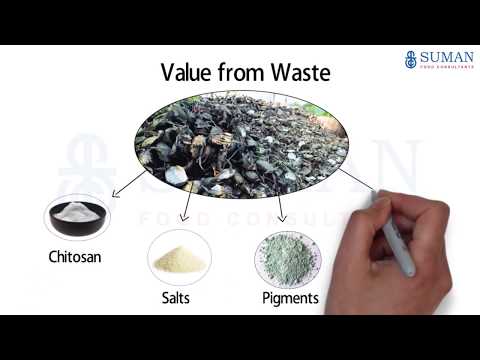
The process starts with the collection of chitin-rich shells, typically sourced from shellfish processing facilities as waste byproducts. The shells are then washed, dried, and ground down to a smaller size for processing.
Deproteinization
Here, shell material is deproteinized with the help of alkaline solutions, which are usually sodium hydroxide (NaOH). This step is important, as organic matter could affect the final purity and effectiveness of the chitosan.
The removal of proteins may reduce the potential allergenicity of the finished product, though individual sensitivities can vary.
Demineralization
The next phase is the elimination of minerals (especially calcium carbonate present in abundance in crustacean shells). This is accomplished using mild acids, such as hydrochloric acid (HCl). Effective demineralization makes the chitin clean, soft, and easy to convert.
Decolorization
A decolorization step is performed to improve the visual cleanliness and color. These steps may include solvent washing or oxidation treatments to eliminate residual pigments such as
- Astaxanthin
- Carotenoids
- Other natural pigments
In many applications, including pharmaceuticals and cosmetics, a brighter, more uniform appearance is desired.
Deacetylation: Turning Chitin into Chitosan
This is the backbone of the whole process. Deacetylation is necessary to convert chitin, a natural polymer derived from shrimp exoskeletons and other arthropods, into chitosan by hydrolyzing the acetyl groups, which are located randomly on its molecular backbone.
This is usually accomplished by subjecting chitin to a high concentration of NaOH at an elevated temperature.
The removal of acetyl groups is quantified as the Degree of Deacetylation (DD%), a crucial property when evaluating chitosan quality. Increased DD% means better solubility and stronger biological activity.
This depends on each industry, for example, pharmaceutical-grade chitosan typically requires DD% 85% or higher according to various pharmacopeial standards, though specific requirements should be verified with relevant regulatory authorities.
Purification and Drying
Deacetylated crude chitosan is filtered, washed several times, and neutralized to eliminate any residual chemicals. The purified chitosan is then dried under controlled conditions and ground to powder, flakes, or granules according to application requirements.
The end products are fully customizable to match given parameters like
- Viscosity (linked to molecular weight)
- Ash content
- Moisture content
- Microbial limits
- Particle size or mesh grade
Quality Control and Industrial Relevance
At various levels of the production stage, in-process testing and final quality control is maintained to make sure the chitosan produced meets required specifications.
Additionally, as outlined by regulatory standards (ISO, GMP, or pharmacopoeial guidelines), some quality parameters such as DD%, viscosity, solubility, and purity have to be met depending on the end-use application.
For example:
- Agricultural applications: Chitosan can be optimized for increased viscosity to provide film quality for seed or leaf coating.
- Biomedical/pharmaceutical applications: Require sterility and very low levels of endotoxins for research and development.
- Water treatment applications: Chitosan serves as a flocculant, where molecular weight and purity are critical factors.
Why Sourcing from a Certified Chitosan Manufacturer Is Critical
Not all chitosan is created equal. A certified chitosan manufacturer ensures every batch is consistently produced under validated conditions. Here’s why manufacturer quality is central to sourcing:
- Traceability from raw material to finished product.
- Consistency in molecular structure and functional properties.
- Compliance with global regulatory standards.
- Documentation that satisfies audits and internal quality checks.
Leading manufacturers embody this commitment through certifications like ISO 9001 and strict batch-to-batch testing protocols.
Technical Documentation Every Buyer Should Demand
When evaluating any chitosan supplier, your procurement team should request and verify the following documents:
- ISO Certifications
- ISO 9001 for quality management systems.
- ISO 22000 for food safety where applicable.
- These standards ensure consistency and audit-readiness.
- COA (Certificate of Analysis)
- Must list DD%, viscosity, ash content, moisture level, and microbial data.
- Verifies batch-level performance and suitability for use.
- MSDS (Material Safety Data Sheet)
- Confirms safe handling, storage, and transport protocols.
- Often required for international shipping and workplace safety compliance. Verify specific requirements with relevant authorities.
- Traceability Protocols
- Documentation showing the origin of raw materials.
- Transparent batch history from crustacean shells to final product.
- Batch Consistency Reports
- Data comparing recent batches for variance in key properties.
- Essential for regulated applications like pharmaceuticals.
Procurement KPIs for Evaluating Chitosan Suppliers
B2B buyers should use clear metrics to evaluate chitosan suppliers and track ongoing performance:
- On-Time Delivery Rate: Reliability in lead times supports inventory planning.
- Batch Rejection Rate: Lower rejection indicates high manufacturing standards.
- Documentation Accuracy: Each delivery should include complete, verifiable documentation.
- Customer Response Time: Timely support during quality checks or audits.
- Traceability Score: Can the supplier track every ingredient in their product?
At Fresh On Time Seafood, we pride ourselves on scoring exceptionally across these KPIs, ensuring we are a reliable partner for global businesses.
Why Batch Consistency Matters
Small inconsistencies in chitosan’s molecular weight, viscosity, or DD% can derail entire product lines. Industries like pharmaceuticals and agriculture depend on uniformity for repeatable results. Here’s why batch consistency should be non-negotiable:
- Product Safety: Any variation may potentially compromise user safety, especially in biomedical or cosmetic applications.
- Functional Integrity: Coating thickness, solubility, or bioactivity can vary with inconsistent chitosan.
- Regulatory Compliance: Inconsistent batches risk failing audits or product registration.
Advanced batch control ensures tight tolerances. Each lot is tested and aligned with client specifications before shipping.
The Risks of Low-Quality Chitosan
Going with a cheaper, uncertified chitosan supplier might reduce upfront costs, but the risks are significant:
- Regulatory Fines: Non-compliance with FDA, EMA, or local food safety authorities.
- Production Downtime: Batch failures cause delays and increase costs.
- Product Recalls: Inconsistent chitosan can lead to consumer safety issues.
- Reputation Damage: One failed product impacts trust and brand equity.
What Defines High-Quality Chitosan?
Quality isn’t subjective. Leading chitosan manufacturers define their product by measurable parameters:
- Degree of Deacetylation (DD%): 85% to 95% preferred for solubility and bioactivity.
- Viscosity: Determines molecular weight and functional properties.
- Ash Content: Low levels mean fewer impurities.
- Moisture Content: Impacts shelf life and usability.
- Microbial Load: Should meet applicable pharmacopeial safety standards as determined by relevant authorities
Fresh On Time Seafood COAs clearly list these attributes, supported by third-party lab tests.
Sustainability and Ethics as Core Quality Pillars
Modern B2B sourcing must align with ESG goals. Companies now evaluate suppliers based on environmental and social impact:
- Sustainable Raw Materials: Sourced from certified, traceable fisheries.
- Waste Reduction: Minimal processing waste and energy-efficient operations.
- Fair Labor Practices: Ethical treatment of workers at every production stage.
We embrace these values, making us a sustainable chitosan manufacturer that adds value beyond the product.
What is another name for chitosan?
Chitosan is sometimes referred to as deacetylated chitin, since it is derived from chitin found in crustacean shells and fungi. In research and industry, it may also appear under names like chitosan ascorbate, N-sulfated chitosan, or carboxymethyl chitosan, depending on its chemical modifications.
With increased demand from eco-conscious industries and regulated sectors, the importance of certified chitosan manufacturers has never been greater.
End users expect high biocompatibility, biodegradability, and consistency, all of which rely on how well the chitosan is processed. In response, the global chitosan supply chain is evolving, and not all suppliers are keeping pace.
About Our Chitosan Production at Fresh On Time Seafood
As a certified Indonesian chitosan manufacturer, Fresh On Time Seafood brings science, sustainability, and supplier reliability together. Here’s what makes them different:
- Certifications: ISO 9001, GMP-aligned, and traceability validated.
- Full Documentation: COA, MSDS, and traceability reports available for every order.
- Batch Control: Advanced manufacturing and QA ensure tight tolerances.
- Sustainability: Eco-conscious raw materials and energy-efficient production.
- Customization: Tailored viscosity, particle size, or packaging based on client specs.
Chitosan Supplier Checklist: Questions to Ask
Before signing any contract, procurement teams should ask:
- Can you provide ISO and GMP certifications?
- Are COA and MSDS complete and batch-specific?
- Can you trace raw materials to the source?
- What’s your batch rejection rate over the past 12 months?
- Do you meet custom specification requirements (e.g., DD%, viscosity)?
- How quickly can you respond during a quality or audit inquiry?
Fresh On Time Seafood meets all criteria with full transparency.
Choose a Partner, Not Just a Product
Sourcing chitosan isn’t about checking a box, it’s about ensuring your product, process, and brand remain protected. Poor documentation or inconsistent product quality can cost companies millions in recalls, fines, or lost customer trust.
With a focus on science-backed manufacturing, transparent documentation, and sustainable practices, Fresh On Time Seafood is the ideal chitosan supplier for businesses that prioritize quality and compliance.
FAQ
What is the science behind chitosan, how is it made, and why is it important?
Chitosan is a biopolymer from crustacean shells or fungi, made through deproteinization, demineralization, decolorization, deacetylation, and purification. It’s important because high-quality, certified production ensures safe, consistent applications in pharma, agriculture, and water treatment.
Why does batch consistency matter in chitosan production?
Batch consistency ensures uniform molecular weight, viscosity, and DD%, which is critical for safety, performance, and regulatory compliance in industries like pharma and agriculture.
How do certified chitosan manufacturers contribute to sustainability?
Certified manufacturers use sustainable raw materials, reduce waste, operate energy-efficient facilities, apply fair labor practices, and support eco-conscious supply chains.